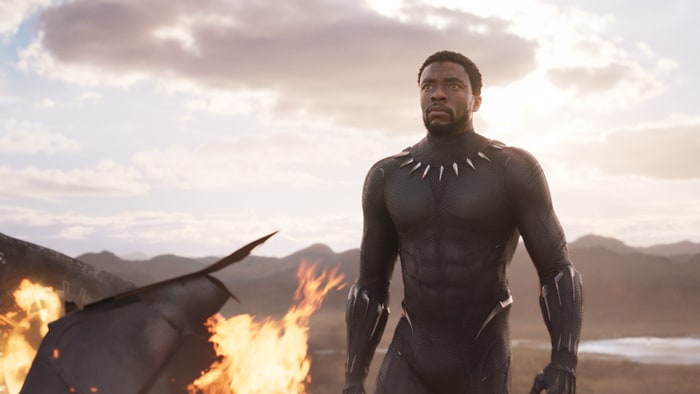
Rich Reviews- Black Panther

Seeing how many studios attempt the shared “cinematic universe” formula in recent memory, a question’s been hovering over the head of Marvel Studios since they were the first to popularize it in a recent context:

“When will Marvel movies finally get stale?”

That’s not to say the recent series of Marvel movies has a stainless record. After all, “Thor: The Dark World” and “The Incredible Hulk” certainly pale in comparison to the others in terms of audience reception and critical praise. But the worst of the Marvel movies have only ever been mediocre or derivative, rather than outright bad. Still, mediocrity could have been downright poisonous for a movie based on one of the most beloved black superheroes in the history of comics, especially seeing how “Black Panther” was as built up as it was since the character’s appearance in “Captain America: Civil War”. In other words, nothing but the best talent and care could have made this movie live up to expectations. Marvel knew that, acted accordingly, and got one of its most remarkable efforts to date out of it. Those expectations, in essence, quickly and visibly ceased to matter within the film’s opening minutes.

Even following the death of its most recent king, T’Chaka (during the events of “Civil War”), the covert African nation of Wakanda continues to thrive as the most advanced civilizations on Earth. Its advanced technology, keen global awareness, and access to the indestructible metal called “Vibranium” allows it to thrive in isolation from the conflicts of the outsides world, and prospects look even brighter upon the return and coronation of the new Black Panther, Prince T’Challa (Chadwick Boseman). Continuing Wakanda’s traditions as the new king, however, is not nearly as simple as he thought it would be, as his abidance to Wakandan isolationism sparks objections from the Wakandan spy Nakia (Lupita Nyong’o), a former lover of T’Challa who wishes to aid the outside world with the country’s resources. Worse yet, an old enemy of Wakanda appears in the form of arms dealer Ulysses Klaue (Andy Serkis), whose partnership with a mysterious terrorist (Michael B. Jordan) makes the fact of outside knowledge terrifyingly clear to the people of the secret civilization. Soon, the history of Wakanda, the legacy of T’Challa’s family, and the future of the country and the world surrounding it are thrown into uncertainty as the troubled king endeavors to put an end to the emerging threats.

Save for a few twists later in the film, the plot doesn’t have too much in the way of surprises, especially concerning T’Challa’s journey as the new king of Wakanda. Still, where the film lacks in revolutionary storytelling, it makes up for in raw, unmistakable passion. As stated before, something that could have killed this movie is mediocrity, and in that regard, T’Challa is something of a lesser point of the movie. While he’s far from lacking in relatable conflicts, and benefits greatly from the fact that Chadwick Boseman’s nuanced performance lacks the corny humor of his Marvel contemporaries, the character’s arc suffers from the fact that his progression is one-note until later in the film. This hangup does erode rather quickly as the film goes on, however, especially considering that it’s about the only negative it has. The supporting cast, for instance, never ceases to be compelling, and I’ll go so far as to say that it’s one of Marvel’s best to date. I’m especially happy to see Lupita Nyong’o continue her mastery of both tenderness and strength as Nakia, whose performance makes her one of the most magnetic of the main supporters in an already spot-on cast (comprised of other masters like Danai Gurira, Forrest Whitaker, and Martin Freeman). What especially surprised me about the cast, however, were the villains. Seeing Marvel’s villains improve more and more with each film has certainly been a fascinating journey, but the villains here are undoubtedly the best written and most threatening in the entire cinematic franchise. Michael B. Jordan in particular plays a character whom I won’t dare spoil here, and his seemingly instinctual balance between sly charisma and tranquil rage makes for an unrelentingly imposing antagonist that audiences could otherwise sympathize with.

The plights of the characters are made even more intriguing by the world-building and design of Wakanda. We’ve seen many a technologically advanced society in science fiction films, but the combining of futuristic and African tribal aesthetics makes for something as original as it is beautiful on a visual level. One of the best elements is seeing just how many facets of science and living the Wakandan people have mastered, and given its level of development and involvement in the story, one could say that the nation of Wakanda is as much a character as the Black Panther himself. After all, the plots conflicts revolve around the subjects of isolationism vs. expansion, the values and dangers of tradition, racial pride, and the lengths people are willing to go for the continued success of their country. That a big-budget superhero movie managed to breath as much life and perspective as it did into the world and the characters living in it speak volumes of “Black Panther’s” subtle profundities. While the slow-boiling protagonist and the film’s unavoidable obligations towards connectivity do hold the film back ever so slightly, those are as far away from deal-breakers as flaws can get.

Don’t let the hype dissuade you here: “Black Panther” is a heartfelt and expertly crafted movie, simultaneously one one about heroes and intercultural tensions, that wears both coats proudly and beautifully.
Rich Reviews- Bright

Before we begin, special thanks to Kiki Akpunonu for her help with writing/editing this review.

Fantasy is something of a double-edged sword when it comes to genre in film, at least when it comes to critic and audience reception. Still, what strikes me as particularly fascinating is the popular critical perspective on the genre from mainstream critics throughout the years. Fantasy films like the more modern Highlander and the high fantasy Willow, for instance, had initially more mixed receptions before being declared cult classics, and the era in which those films came out was one of relative dismissal in the film industry. While it might be easy to dismiss the connections that fantasy genre tropes have to significant literary and societal themes, it’s important to remember that some of genre’s most influential works in film and literature were rooted in allusions and allegories for the eras in which they were written. There’s a reason that fantasy literature is as popular as it is in educational curriculum, and Internet film critic Lindsay Ellis (in her own review of Max Landis and David Ayer’s Netflix film Bright) gave an impeccable overview of how inevitable allegories and cultural coding are in fantasy, especially since Tolkien’s influential works set a precedent for allegory in the genre, and her overview of the history of social commentary sheds considerable light on the films numerous failings as a social commentary. While it’s true that Bright fails completely in its aspirations for insightful observations of race, that failing is far from the only problem this movie is burdened with, and those problems managed to drown a potential classic in a sea of mediocrity and ineptitude.

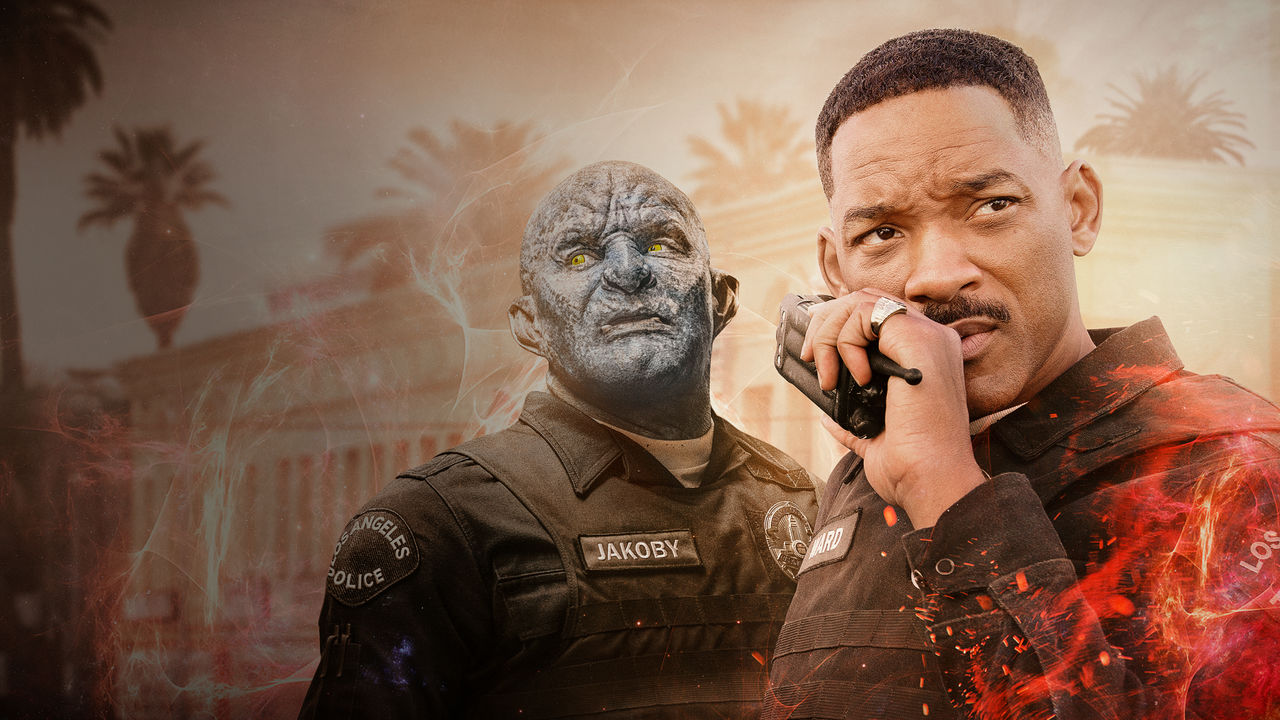
Daryl Ward (Will Smith) is one of the most notoriously hard-boiled human cops on the force in an alternate history, modern day Los Angeles populated with orcs, elves and numerous other magical races. This city, saved along with the world from a Dark Lord ages ago, is plagued by crime and racial tension as orcs continue to be marginalized by the humans and elves in positions of power. At the center of this tension lies Ward along with his orc partner, Nick Jakoby (Joel Edgerton), who are called upon to take down a society of magic users and devotees to the Dark Lord, dubbed “Shield of Light”, who seek the power of the magic wand held by one of their defectors, Tikka (Lucy Fry) and resurrect the fallen tyrant. To make matters worse, Ward must choose between his job on the force and his loyalty to his partner when Internal Affairs calls for Jakoby to be fired and proven guilty of letting an orcish suspect go out of loyalty. A chase and a mystery ensue as questions of loyalty, racial profiling, and oppression of the lower class are brought into their latest and most deadly assignment on their watch.

On the nose as the thematic goals of this film are, the overall premise is far from unsalvageable, and the production elements seem poised to create an interesting urban fantasy: the makeup and special effects are well-done and original enough to set the film’s setting apart, the art direction manages to be distinct in spite of the soon-to-be-mentioned cinematography problems, and the acting is the unmistakable highlight of the film. Will Smith and Joel Edgerton, for example, slip into their respective roles quite well, and are believable enough as partners to make their history interesting. Such surface elements, however, are as far as the movie seems to be bothered to go, and nearly every other element of the film is so half-hearted in execution that the film’s aspirations of being a socially conscious urban fantasy are rendered totally meaningless. As good as the actors are, for instance, they’ve got little to work with thanks to the awful script, with unsubtle and frankly demeaning parallel references to modern civil rights movements peppered throughout the cliched police drama plot to give the story the gravity it lacks. Count my earlier synopsis of the conflict as a blessing, too, because the film’s insufferable pace makes it so the central conflict takes over half of the runtime to truly kick off. Such could be helped if the characters themselves were interesting or likable, but barring Jakoby, the cast consists of one-note tools for the advancement of the plot. Will Smith’s roughness and misanthropy is a welcome demonstration of his understated versatility, but Ward’s characterization and imprisonment under the film’s predictable narrative make him a flat and boring anti-hero. Tikka, meanwhile, is there as a reminder of the central conflict and essentially nothing else. The action scenes, usually the compensating factor of such a drag of a story, range from frantic and clumsily edited to boring and stagnant, with some of the later shootouts being inexplicably stagnant and still for no justifiable reason. With all these flaws against the movie, the only distinct aspects seem to be theme and setting, and its use of fantasy races as a means of commenting on racial coding in fantasy and social injustice in the real world seems to be a profound fusion of genres…

Until a few minutes of thinking, in which one is likely to realize how sophomoric and out of its depth it really is. The aforementioned alternate history timeline is a sadly low-effort affair, since the setting is nothing more than present-day Los Angeles with a paper-thin fantasy skin. Racism between human characters of numerous ethnicities exist where there should have been just new tensions, and the pop cultural and historical references (most of which are squarely within real-life topics and events) leave the impression that the writers simply didn’t think of the meaning behind this world’s history or the world building as a whole. The attempts at speaking to real-life injustices and bigotry ring hollow as a result, since the slavish devotion to “realistic” cop drama tropes boils the issues of bigotry down to straw characters and individual hangups, rather than the system of institutionalized racism that the movie’s story forgot to establish. Worse yet, numerous, lazily implemented cliches of movie racism take the place of meaningful and impactful commentary, and the sheer volume of racism among the characters is baffling considering what little is established about the society itself. Past the origin story of the Dark Lord and how the races defeated them together, Bright is essentially just a police drama about racism, but the shoehorned fantasy elements contradict this plotline so much that the entire affair is rendered meaningless. These elements, given more finesse and dedicated, could very well have been compelling and insightful, but in the state that it was screened, they were drained of their flavor and weight.

Despite having the bones of a fresh crime story with a fantastical, allegorical twist, Bright‘s visible lack of meat left it a boring, unpleasant, and pretentious mess. The actors, cinematographers, and story of this movie all deserved much, much better.

Rich Reviews- Jumanji: Welcome to the Jungle

If the subject of the year’s first review is any clue, the phrase “never judge a book by its cover” is an important one to remember in film criticism, especially when it comes to the latest installment of any potentially lucrative franchise. The absolutely cringe-worthy trailers for the latest and more comedic “Jumanji” series left little in the way of room for decent expectations, promising a conga line of crude humor and slapstick in between the paint-by-numbers jungle adventure set pieces. By all accounts, this movie should have been a low rent cash-in that tried to mask its soulless weaponization of a nostalgic curiosity behind a transparent wall of celebrity mugging. Instead, “Jumanji: Welcome to the Jungle” managed to be a loving, high effort sendup to the 1995 film from which it indirectly branches off, and while that doesn’t mean it’s free of the problems that come with that distinction, it does result in a fun, action-packed and funny adventure that has just enough heart to be recommended to the right audiences.

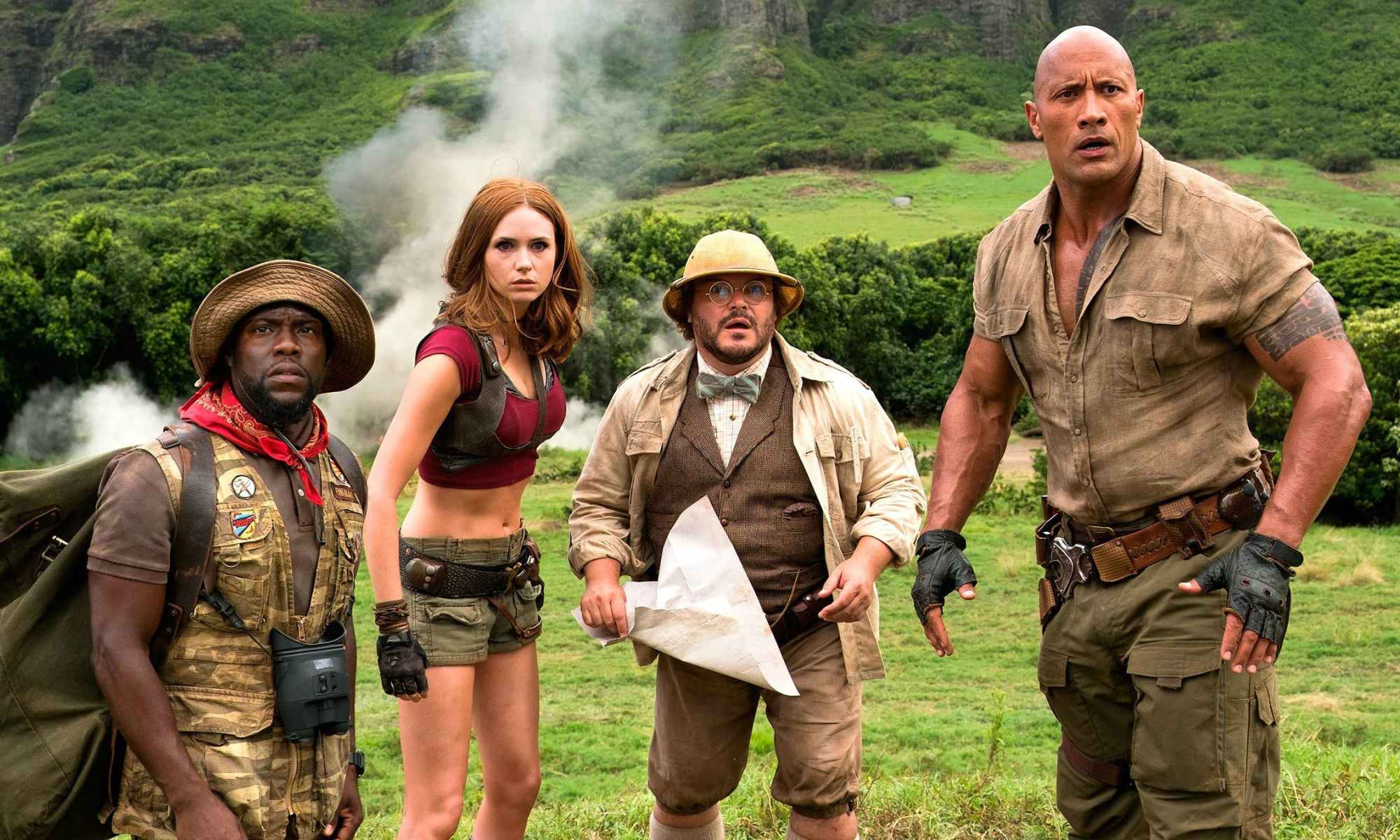
Four students at Brantford high, once considered the most unlikely of associates thanks to their own interests, are forced into detention together by their own youthful foolishness and self-assurance. Calling the resulting evening a dull one, however, would be quite wrong, as gamer Spencer (Alex Wolff), preppy Bethany (Morgan Turner), jock  “Fridge” (Ser’Darius Blain) and popular girl Bethany (Madison Iseman) succumb to their curiosity and boot up an old video game, titled “Jumanji” after the board game with which it was packaged. Once the game turns on and their characters are chosen, the four are whisked away to the jungle world of the game and given the forms of their respective avatars: a physically towering explorer (Dwayne Johnson), an attractive martial artist (Karen Gillan), a meek, yet resourceful zoologist (Kevin Hart), and a brilliant, albeit obese cartographer (Jack Black). Fighting the elements of the wild, vicious treasure hunters in search of a cursed gem, and the antithetical talents given to them by the characters they chose, the four must either set their differences aside and beat the game to return home, or disappear forever at the drop of their last lives.

The setup could never be accused of being inspired, of course, but as with most things, the quality lies in the execution. For instance, the thrusting of unlikely protagonists like the four high schoolers into adventure and danger is absolutely nothing new, but the archetypal nature of the whole ordeal is made entertaining by the writing and acting. The initial contrast between the characters and their players is a fairly standard source of comedy, but the actors are both entertaining enough to provide laughs throughout even the crassest of jokes and skilled enough to believably portray what amount to teenage clique samples in the bodies of adventurers. Seasoned action stars Dwayne Johnson and Karen Gillan are especially on-point in portraying the charming awkwardness of the nerdier leads, while Kevin Hart gives some much needed comedic timing, wit, and vulnerability to an otherwise typical jock turned genius. What I found especially remarkable, however, was how the jokes following Jack Black as Bethany’s avatar never truly got stale. The fittingly brisk adventure movie pace aids this part of the movie greatly, as does Jack Black’s surprisingly endearing (and fairly hilarious) portrayal of a teenage girl’s horror and glee at being a less conventionally attractive explorer. Barring the individual performances, the actors themselves have excellent character chemistry, and their interactions alone boost the otherwise standard slapstick routines considerably. Adding to the humor is how the film takes advantage of the “trapped in a video game” setup, as the jokes made at the expense of the setting (mostly centered on the pre-programmed side characters) make for hilarious moments. The adventure itself, meanwhile, is just suspenseful and brisk enough to be exciting, with the threat of the video game’s life limit working well enough with the hostile jungle to keep the audience on their toes. Not since “The Goonies” has adventure and adolescent comedy been put together so well, and I’d say that the humor could be the best kind of selling point for this kind of movie.

It’s far from perfect, of course, since the more “adult” jokes and the predictable plot turns can detract from the experience for older audiences looking for originality. That said, I’d argue that audiences expecting perfection from a “Jumanji” film and setting the bar somewhat high, and if you’re willing to turn off your brain to some of the more hackneyed elements of the “coming of age” or “jungle adventure” genres, then I’d actually recommend “Jumanji: Welcome to the Jungle” to you. It’s funny, populated by likable characters, and fueled by genuine heart in the places that matter.

Rich Reviews- The Disaster Artist

When does a failure become a strength?

After my last review of Tommy Wiseasu’s “The Room”, you may be tempted to answer that question by saying that a failure can make a legend through ironic cult status. Much like the memoir of the same name, however, The Disaster Artist” is not interested in simply recounting the anecdotes of a troubled production. Rather than a simple comedy of errors, the film is also a story of friendship, a behind-the-scenes production story, and a story of the hardships of the acting industry all rolled into one. More than any of those things, however, “The Disaster Artist” is a film whose story sets out to answer the question above, and a compelling story of the simultaneous danger and power of faith in one’s dreams.

Yes. A movie about the making of “The Room” moved me.

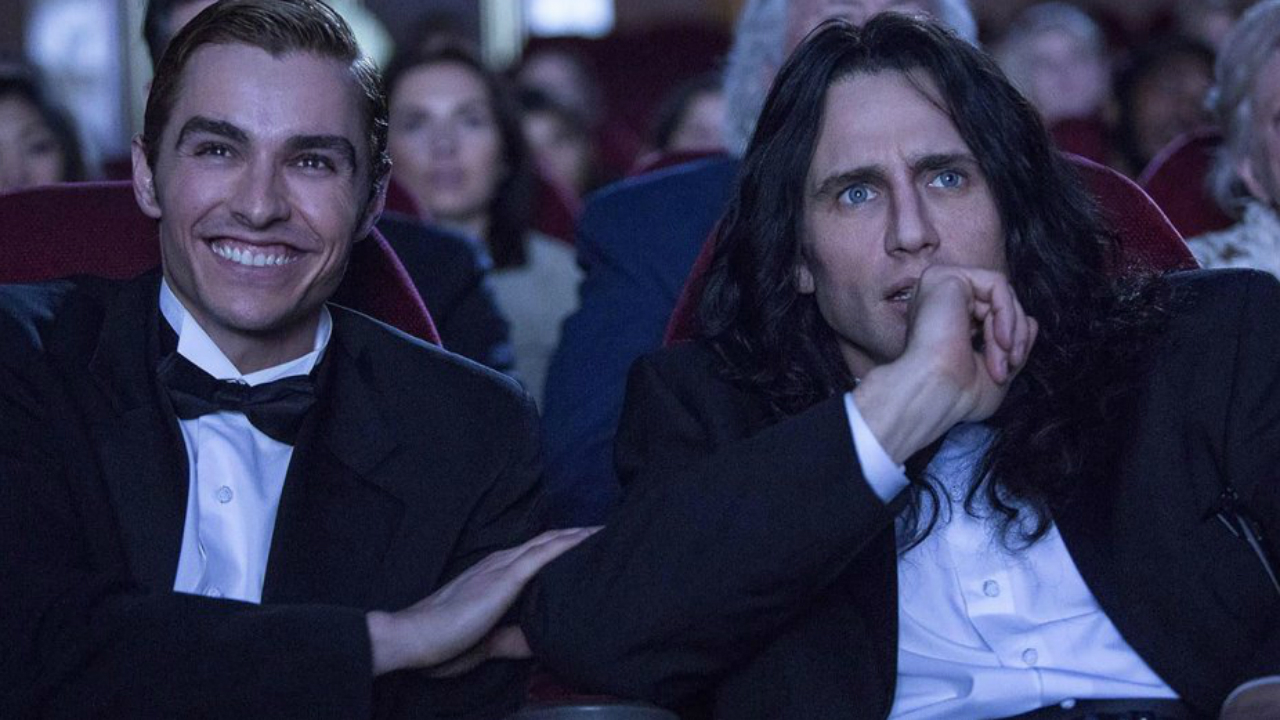
Aspiring actor Greg Sestero (Dave Franco) is a painfully nervous aspiring actor living in California, who’s constantly given verbal beatdowns by his instructor for his lack of confidence. His doubts all but evaporate, however, when he meets Tommy Wiseau (James Franco), a gleefully passionate, yet tragically untalented thespian whose lack of stage fright nonetheless inspires Greg and later becomes the catalyst for an unlikely friendship between the two upstarts. The two move in together at Los Angeles, and upon being reminded of the competitive, stagnant nature of the acting industry, decide to further their careers by making a film of their own. What starts out as a promise for a new chance at careers, however, quickly spirals into a gordian knot of production troubles and mutual tension. In addition to “The Room” being a disjointed, wrongheaded mess funded by a troublingly endless supply of money, its problems are all traced back to Tommy’s paranoid, dictatorial, and inept direction. To make matters worse, Greg’s attempts at romance and independent success are met only by bitterness and jealousy from Tommy, who continually refuses to disclose his past even as he pushes Greg and the crews to their limits. Is their hope for Tommy and Greg’s passion project, or will the two be doomed to lose their careers, dreams, and friendships to the turbulent production environment?

Seeing what direction “The Disaster Artist” takes with its depiction of “The Room’s” production is remarkable in its sincerity, and while the resulting product is every bit as funny as you could imagine, it must be stated here and now that the film also has legitimate dramatic weight to it. This is due in no small part to its dedication to paying tribute to Wiseau’s cult phenomenon. Recreations of the film’s most memorable scenes are nearly perfect in their faithfulness, and the actors playing the relevant film’s cast are instantly recognizable. The people behind the scenes also lend themselves to hilarious scenes of outrage towards Wiseau’s lunacy, with Seth Rogen being a particular standout as the script supervisor.

Talking about performances, however, is impossible without affirming the strength of its two leads. Dave Franco, for instance, adds welcome nuance and affable charm to Greg Sestero’s portrayal in this film. Greg’s almost instinctual friendliness and everyman mannerisms are deceptively difficult to portray naturally, but Franco not only succeeds in doing so, but matches the actor’s mannerisms to a tee. Equally impressive, if not more so is the performance of James Franco as Tommy Wiseau. While it may seem readily apparent that he captures the eccentricity and humor of the man from the trailers, the promotional materials don’t do nearly enough justice to his ability to pull off Wiseau’s secrecy and emotional instability. Most people fondly remember the humor of the warped, accidental appeal of “The Room”, but an equally important, yet overlooked fact is that the production was the product of a troubled, inept, and slightly delusional director. In James Franco, we’re given a reminder of the dark side of the widely enjoyed failure, and manages to deliver a spot-on performance that balances charmingly eccentric and defensively prideful without ever having one eclipse the other.

Together, the brothers also emanate such convincing and natural character chemistry that they cease being brothers playing characters and become Greg Sestero and Tommy Wiseau. On their shoulders is a cinematic experience that balances Hollywood cynicism and hope through its portrayal of a friendship forged in industry struggles. “The Disaster Artist” could have easily succeeded by being a Abbot-and-Costello-style deconstruction of Tommy Wiseau’s direction, acting, writing and editing, but the people behind it truly respected Greg Sestero’s observations on the difficulties of working in the film industry. As an aspiring film critic and voice actor myself, I can say that the filmmakers have a deep understanding of this struggle, and of the kind of damage that unchecked dedication to one’s dreams can do. Instead of mocking Wiseau at every opportunity, the film takes time to remind the viewers of his struggles as an auteur, and give equal consideration to Sestero’s tenuous balance between his friendship with Wiseau and his own well-being. Though held back slightly by its inevitably niche status as a tribute to “The Room” “The Disaster Artist” is a funny, charming, and enjoyable exploration of filmmaking, and not since Tim Burton’s “Ed Wood” has there been such an entertaining look at cinematic auteurism.

Rich Retrospectives- The Room (2003)

Tommy Wiseau is the type of filmmaker that I’d both readily thank for his work and mock him for it, and no sign is there of the popularity of that sentiment than in the upcoming film based on Greg Sestero’s memoir The Disaster Artist. The memoir on which the upcoming film is based tells a bizarrely genuine story of friendship in the film industry, as well as one of the simultaneous joys and dangers of belief in one’s dreams. The greater story of The Room‘s troubled production, the cult following that resulted from the film’s release, and the secretive life and career of its director and star, Tommy Wiseau, has gone on to attract endless media attention, but this story, along with the impending release of The Disaster Artist, has birthed a recurring question: Is The Room truly that amazing in its ineptitude? In preparation for its December release, I’m here to revisit the original cult classic and find out.

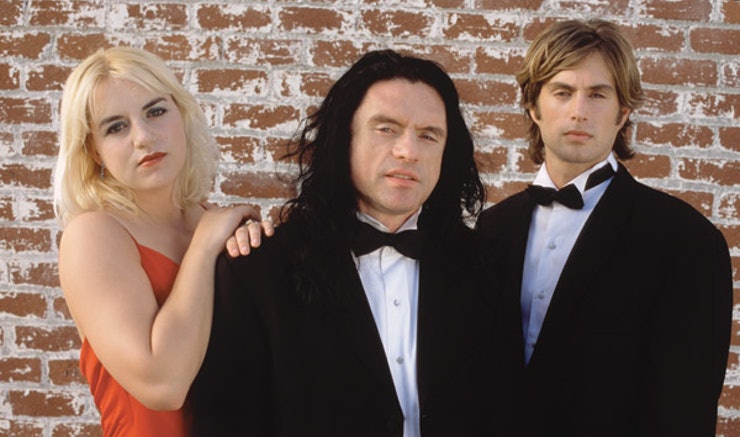
Johnny (Tommy Wiseau) is a successful banker who has it all: a beautiful home in California, a steady income, a caring best friend in Mark (Greg Sestero), and a beautiful girlfriend named Lisa (Juliette Danielle). This high life is turned completely on its head, however, as Lisa begins a clandestine affair with Mark. Tensions rise and Lisa’s scheming becomes more frequent, all while Johnny becomes increasingly paranoid of the truth behind his friends and their interactions with him. Adding to the gripping drama of the days that follow are completely unrelated side-plots involving drug use, breast cancer, and false pregnancies, all of which join together with the performances of the main cast and the central conflict to create a postmodern defiance of standards of quality in film.

In the interest of saving the most obvious criticisms for last, I’ll start out by saying that the plot above is as convoluted and hackneyed as it sounds. Taken on their own, the side-plots are already something you’d find out of a guidebook to drama film plots, but compressed together like they are here, they make for an overarching plot that would have been utterly tedious if it weren’t made hilarious by the acting. Tommy Wiseau’s performance is an unmistakably crucial element of that appeal, since his delivery hits a previously unimaginable middle ground between cartoonishly hammy and flatly wooden, and his physical acting (most notable, his erratic arm movements and repeated glances into the camera) render theoretically dramatic moments a complete joke. Still, credit is due for the performances of the rest of the cast, as their readily apparent frustration and boredom adds the type of glimpse into the troubled production that adds considerable to the already-present hilarity. The cinematography is also amateur, and at times, very bizarre, with city skyline transitions that wouldn’t be out of place on a low-budget sitcom and green-screens that look like low-quality CGI paintings. Typically, I’d be all too willing to write this off as a soulless, talentless independent effort, had it not been for the fact that Tommy Wiseau seems to refuse to be just a bad filmmaker.

If Wiseau’s on-screen gusto and history leading up to the production of The Room are to be believed, he is anything but dispassionate as a filmmaker. As much of a mess as this film was,  it’d be impossible to say that the obvious faults were born from careless disregard for the end product. In fact, as someone who’s decently well-read on the film’s production (and Greg Sestero’s recounting thereof), I’d say that passion is the reason why the film is as equally loved and mocked as it is. The Room is still an unambiguously bad movie, but not for the reasons critics typically list, nor for the things that personally irk me about the bad movies I’ve seen. On its own, the film was made memorable enough by Wiseau’s bizarre non-sequiturs (“I did not hit her, I did NOT… Oh hi, Mark!”) and by the incredibly out-of place football-throwing scenes, but knowing what audiences will soon know thanks to the upcoming Disaster Artist film makes it out to be the overzealous type of mess.

Like the man behind it, The Room is a troubled, bizarre, and clumsy picture of bad filmmaking, but it’s those qualities that drew people (me included) to it in the first place. There’s a certain mindset that’s imperative to enjoying this, but if you can ironically enjoy a bad movie, this is a must-see, assuming you haven’t checked it out already. Tommy Wiseau’s ironically-enjoyed masterpiece has to be seen to be believed, and seeing it now makes me even more excited to see the story behind it on the big screen.

Rich Retrospectives- Evil Dead 2

Happy Halloween, dear readers… BEWARE OF SPOILERS…!

Whether or not they’re fans of the horror genre, it seems that everyone has that one movie they watch every year on All Hallow’s Eve. Whether they’re looking for outright terror or a good mix of cheap thrills and laughs, moviegoers and critics everywhere tend to either seek out the latest in horror films or pay homage to the classics that make a good Halloween movie night. What strikes me as interesting about the most popular choices, however, is that they can all be more or less assigned to a genre of horror. For instance, you’ve got the Universal monster movies, like “Frankenstein”, “The Wolfman”, and “Dracula”; and you’ve also got the staples of the age of slasher movies, such as “Friday the 13th”, “A Nightmare on Elm Street”, and “Halloween”. Even more grounded thrillers like “Psycho” and the first “Texas Chainsaw Massacre” can be put into their own genre. But how do you talk about a movie that has a little bit of every layer of horror? Can a horror movie be shocking, hilarious, and uncomfortably tense all at once?

My answer would be yes, because Sam Raimi is in the film industry.

I, too, have a Halloween tradition. It’s with that, then, that I’d like to examine Evil Dead 2’s funny genius while offering some (hopefully original) perspective on one of my favorite movies of all time.

Less a sequel and more a fundamental remake of Sam Raimi’s cult classic horror film, Evil Dead 2 begins with Ash Williams’ romantic cabin getaway coming to a twisted and bloody halt upon the discovery of the Necronomicon ex Mortis”, the book of the dead. Chaos, demonic possession, and mass dismemberment follows the pre-recorded reading of the book’s passages, and Ash is put through the fight of his life. As if being forced to kill his girlfriend, fighting his demonically possessed hand and being stranded in the cabin weren’t enough, the daughter of the book’s researcher comes to the site of the book’s finding with a small research team, determined to discover the fate of her father and the secrets of the book. Has salvation come for the broken Ash Williams? Or is Annie and her ragtag group just as doomed as others who summoned the book’s monstrosities?

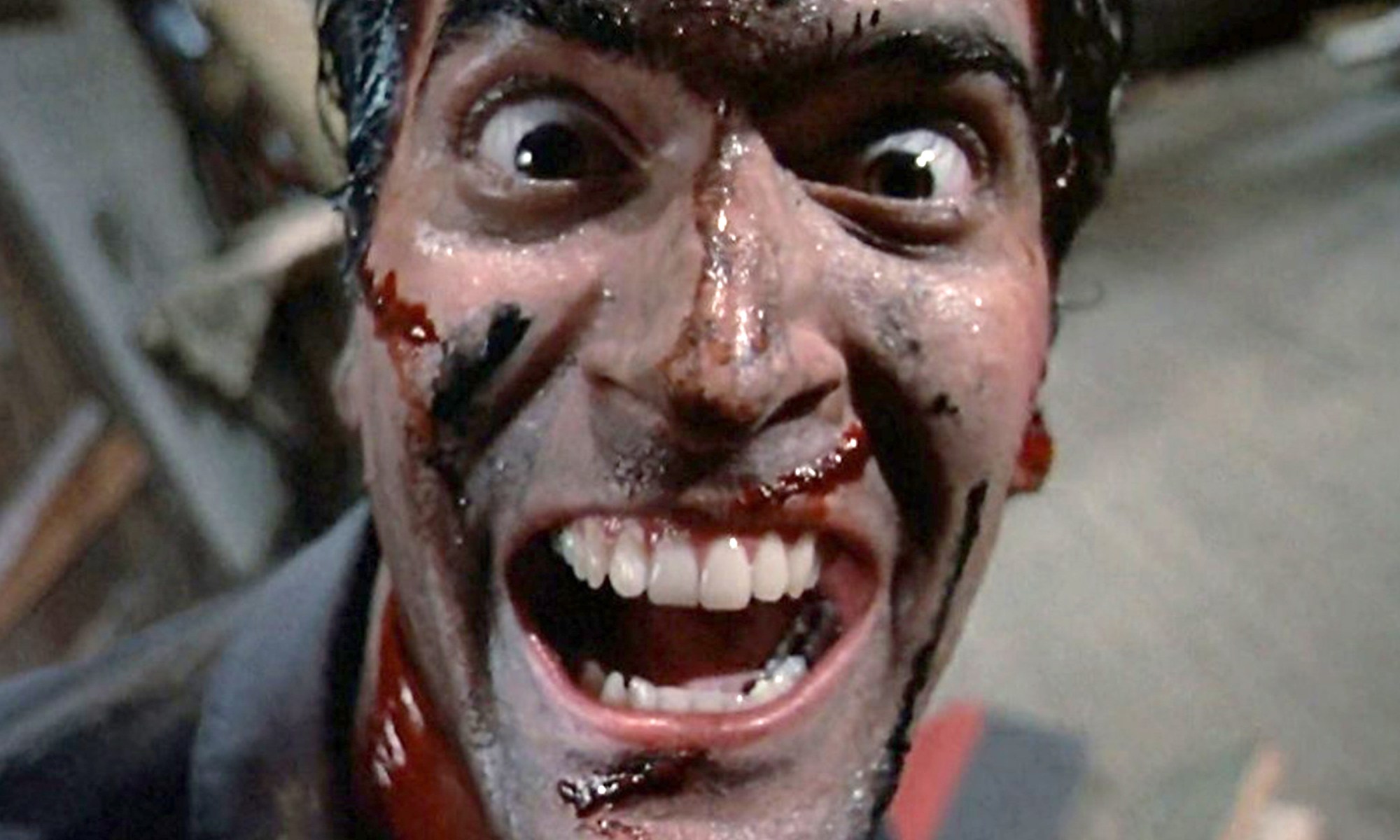
A simple setup, to be sure, but as with most premises, success is all in the execution. The most obvious high point in this regard is definitely Sam Raimi’s mastery of camera work. Even in one of his earlier works, Raimi’s point-of-view tracking shots were spot on, and special mention must be given to the scene in which the unseen threat chases Ash all throughout the cabin. So dedicated was the director to the tension and panic of the scene that the camera even smashes through the window of a car and through the door inside the cabin. Actually, the practical effects as a whole are incredible, and there’s an impressive dimension in the fact that the actors and sets are actually getting as messy and bloody as they appear to be. Second most obvious is Evil Dead 2‘s masterful balance of horror and humor. Part of the beauty of this “Evil Dead” movie in particular is its lack of limitations in what could be a threat. Corpses, dismembered limbs, trees, and even furniture are out to get the heroes, and the result is as unnerving as it is hilarious. The horrific deaths of the cast are played mostly straight, but there’s a hint of Three Stooges-style slapstick to the more violent scenes. Ash in particular is as hilarious as he is tragic in how much abuse he takes from the “deadites”, and Bruce Campbell’s bombastic portrayal of the character’s initial cowardice and growing heroic charisma is a definite highlight of the movie.

Speaking of the protagonist, one thing that I think is overlooked is the movie’s narrative. It’d be easy to set the focus solely on the gory death scenes and gratuitous dismemberment, but serious attention is given to Ash’s struggle for survival. While some of that struggle is played for laughs, the movie makes it clear that the pain he’s receiving is just as mental as it is physical. The fact that the whole environment is against the main characters makes for an understated sense of tension, since literally anything could kill them or posses them at any moment. That tension makes for unparalleled catharsis after seeing Ash in those famous action scenes, and the transparent emotional investment in Ash’s struggle can be traced back to what makes the film work as a whole: it’s heart. It’d be bold to ever accuse Sam Raimi of being dispassionate, even if you’re not a fan of the genres he typically contributes to. It’d be simple to make a cabin-in-the-woods splatter fest, but since “Evil Dead 2” is a Sam Raimi film, its also a slapstick comedy, a character study, and a supernatural, eldritch horror film all at once, and the result is almost perfect because of it.

I think Bruce Campbell described the film perfectly, in-character:

Groovy. 

Announcements- COM 641 and More

Before explaining the out-of-the-ordinary content that will pop up in addition to my regular reviews, I’d like to thank everyone who’s supported my reviews thus far. “Rich Reviews” wouldn’t be what it is without all of you, and it’s out of consideration for my readers that I’m posting this update.

This week, I’m starting to work on weekly assignments for a Social Media class, which is part of my course requirements as a communication graduate student. I’ll do what I can to keep the posts I write for this class off my other platforms, but this site is needed to ensure consistency and moderation in how many sites and platforms I’m managing. In other words, it will be much more convenient for me if all of my required content is in one place. This class is just another step in furthering my career and pursuing everything that I’ll need in the media industry, and its with this mindset that I’ll be keeping my class content and reviews on the same site. Again, I can’t thank you enough for your understanding, and I hope that the temporary change in content does not confuse you.

That said, reviews ARE on the way, and I have every intention of sticking to my bi-weekly schedule. In fact, I have something very special planned for the Halloween weekend: TWO posts of my own decision, including a review of my personal favorite horror movie of all time, and a second post (which will be kept secret until Halloween. Thanks for all of your support, and stay tuned for more content!

Rich Reviews- Blade Runner 2049

Try as we might to nail down what makes great art, filmed or otherwise, it’s an overlooked truth that audiences typically don’t know what they want until they have it. Critics and audiences alike learned this in 1982, when Ridley Scott’s cyberpunk classic “Blade Runner” was released, for while the film was eventually lauded for its explorations of humanity and extraordinary vision of a dystopian future, it was initially dismissed by the public at large and laughed off by the producers that tried to mold it into a patronizing mess. Sadly, it seems history is repeating itself, since the box office returns for its unexpected follow-up are humble in comparison to other major releases. Worse yet, I’d be lying if I said I had the brightest of expectations for a sequel to a film that functioned perfectly well on its own, let alone one more than three decades after the fact. After all, what would modern film techniques and an expansion of the rich world building of an already timeless deconstruction of what it means to be human?

Not much, I thought, before the film managed to render me unable to speak out of shock and amazement. How unqualified I feel for this one…

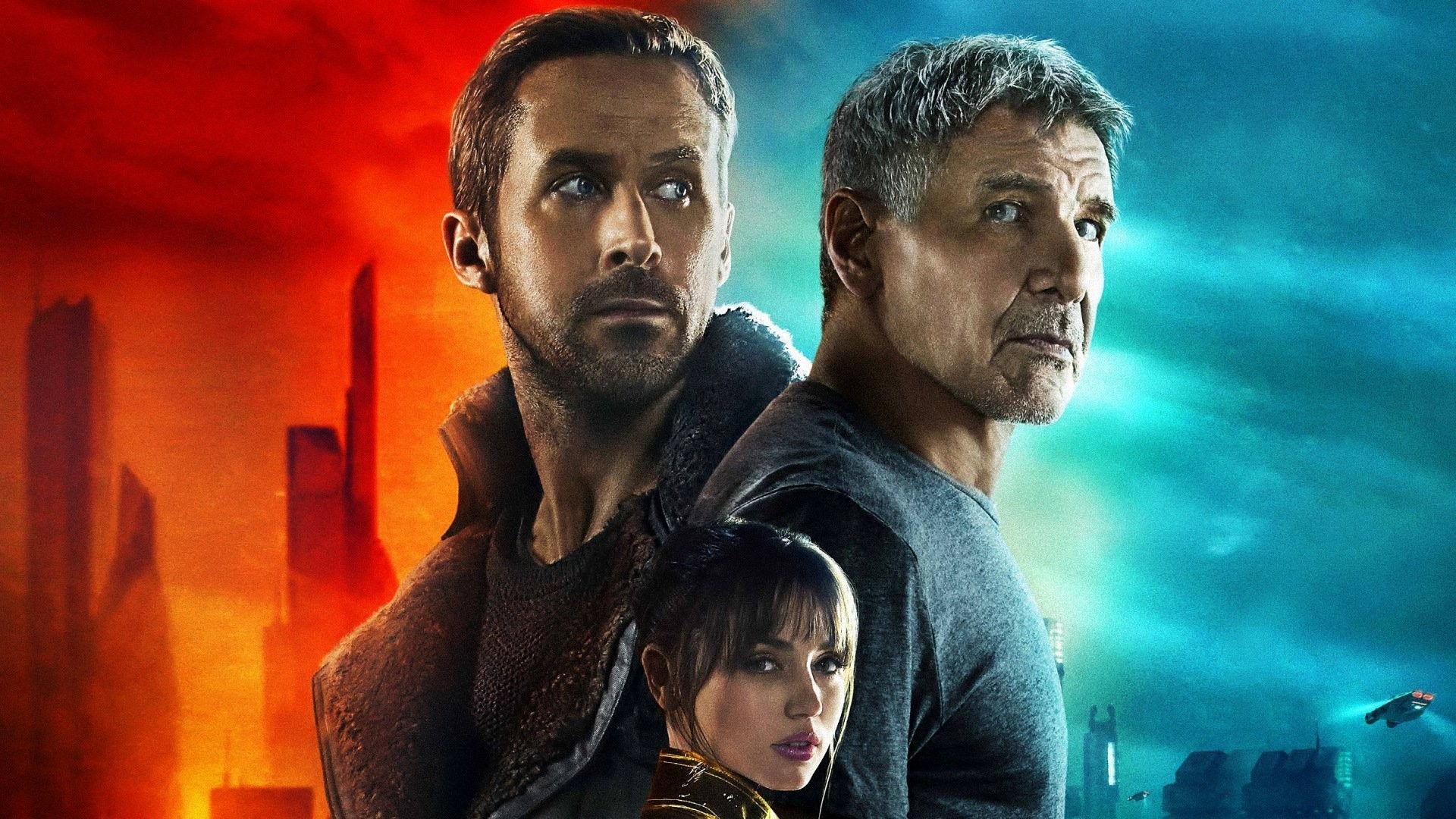
Set thirty years after the events of the first film, “Blade Runner 2049” tells the story of the return of replicants as the work force of the future. Newer models are built simply to obey, while older, more self aware replicants are hunted as they were thirty years ago. One of the latest and skilled in the new generation of “Blade Runners” is K (Ryan Gosling), a replicant whose entire existence is his work. His dedication to his purpose is put to the test, however, when signs of a replicant childbirth are uncovered. In hopes of preventing human-replicant conflicts from coming about again, K sets out to find the child and erase proof of it before it reaches the wrong individuals. In his search for the true answers to the natures of replicants and humanity, K faces numerous obstacles, including interference from his superiors, the shady dealings of a replicant manufacturing industry, and the  apparent disappearance of ex-blade runner Rick Deckard (Harrison Ford).

Naturally, the complex questions on humanity and what the future of technology means for its definition had to continue in a sequel to a film as thematically driven as the original Blade Runner, but simply acknowledging the presence of those questions in “2049” doesn’t even come close to doing enough justice to how wonderfully crafted the film surrounding them is. In fact, this new “Blade Runner” is so successful in what it sets out to do that I struggled to find anything wrong with it. Every element, both great and small, serves the setting, story, and themes in a way that renders it something I’d call perfect. The effects and visual design, for instance, are spot-on. In spite of the obvious technical updates, this still is the new Los Angeles from the Blade Runner universe, and both its considerable scale and simultaneous sense of technological wonder and underlying moodiness are encapsulated in every shot. Speaking of those shots, the cinematography feels like it was pulled straight from Ridley Scott’s original masterpiece, and especially noteworthy is the film’s mastery of sustained character shots. Audiences may have mixed feelings about the deliberate pace of the film and its editing, but with a tone and thematic mood like “2049’s”, there’s no better approach than to let every little detail and emotion sink in.

Of course, those emotions can only go as far as the performances, but “2049’s” second-best aspect just so happens to be its cast and their collective performances. Fans of the original will inevitably expect to be treated to a hardened, yet vulnerable and gripping performance from Harrison Ford (and be right in those assumptions), but something that must be affirmed here and now is Ryan Gosling’s award-worthy turn as K. Gosling’s strength has always been nuance, and here is no exception. He delivers exactly what reactions one would expect of a professional detective on the edge, but with a level of sensitivity and uncertainty that’s neither understated nor overt, and this sort of character demands that kind of moderation. That sort of perfection rings true for the entire cast, however, as even smaller roles like those of Dave Bautista and Jared Leto command a viewer’s presence and leave a lasting impact. Unsurprisingly, though, this “Blade Runner’s” greatest strength continues to be theme and tone. What stands out this time, however, is how this sequel expands on the existential questions of its predecessor that manages to be simultaneously refreshing and expected in a way that’s so unique that the only due praise I can give it is to demand that everyone see it. In fact, that sort of aggressive recommendation is the only way I can see this review ending, since its position as a sequel to a decades-old sci-fi classic made it’s mastery of cinematic artistry and thematic expression more remarkable than words can convey.

Yes. “Blade Runner 2049” is that good.

Rich Reviews- It: Chapter One

In last week’s review, I discussed the difficulties of film adaptations of lengthy source material, using Stephen King’s best-selling novel “It” as reference material while simultaneously praising the concept of a duology based on the thousand-page book. The most recent film, covertly titled “It: Chapter One”, serves as the first half of that aforementioned duology, and it serves to simultaneously deliver a faithful, loving adaptation of the beloved epic and render the concept fresh and modern enough that the by now-popular story doesn’t grow too stale. The result not only succeeds where the 1990 miniseries fell short, but stands so strongly as its own self-contained horror film that I feel VERY inclined to call this one of my favorite movies based on a Stephen King story.

Following the two-halves structure of the original novel, the first film focuses entirely on the childhoods of the Losers’ Club, consisting of stuttering Bill Denbrough, intellectual, obese Ben Hanscom, wise-cracking Richie Tozier, hypochondriac Eddie Kaspbrak, abused tomboy Beverly Marsh, Jewish boy scout Stan Uris, and African American farm boy Mike Hanlon. The seven are brought together by their mutual encounters with a shape-shifting, fear-mongering monstrosity that primarily manifests as a malicious clown named Pennywise (Bill SkarsgÃ¥rd), and are particularly driven by the death and disappearance of Bill’s younger brother, Georgie. While understandably terrified of the multi-formed menace due to its unpredictable nature and resonance with their own personal demons and troubled home lives, they soon realize that their options are very slim, and limited to either fighting the creature together to allowing its centuries-long grip on their town of Derry to continue.

While the previously-reviewed miniseries based on “It” leaned more heavily on the slice-of-life tone of the story in terms of atmosphere, this film dials back those aspects a notch or two in favor of balancing them out with pure horror. Fortunately, the result of that approach manages to be infinitely more terrifying. While the old film placed more emphasis on the titular creature’s clown form (and Tim Curry’s portrayal thereof), this film sticks more to the source material, in that the monster’s forms are consistently varied, bizarre, and and scary in their own ways. Pennywise himself is also played as much more direct in his hunt for the protagonists, and Bill SkarsgÃ¥rd nails the clown’s novel-rooted sadism and gleeful joy in scaring the protagonists. This Pennywise mocks and tortures his victims mercilessly whenever he appears, and those moments are made more effective due to his appearances being limited to only a few throughout the movie. In addition, the film’s scares end up being much more shocking and powerful as a result of its faithfulness to the details (and the gore that follows), with Georgie’s tragic demise in the film’s beginning being particularly gut-wrenching. When the movie attempts a scare, it almost always succeeds due to the well-timed direction, expertly adaptational editing that moves at the necessary pace at any given time, and the pleasantly surprising presence of practical effects.

That said, the film isn’t so wrapped up in the horror side of things that it forgoes dedication to the characters and their own stories. Humorous, touching scenes of the characters are littered the film’s screen that make the scares as shockingly well-executed as they are, and the child actors playing them all give natural and impressive performances that render the Losers as endearing as one might hope them to be. The actors all capture their characters to a tee, and that sort of dedication to the novel’s spirit is another stand-out feature of this film. Though the time frame has been updated to more modern times (with the past being set in the 80’s as opposed to that decade being the present time in the novel), this still is Stephen King’s story, and the inhabitants of Derry manage to be just as one would expect them to be without rendering the narrative predictable. The story, naturally, is still trimmed down, but the crucial details and memorable scenes from its source material are executed in a way that’s sure to surprise average filmgoers and impress fans of the source material. “It” is so well-executed is in its ambitions that I’m barely even going to acknowledge the paltry few pacing problems the story takes from adapting its source material.

And this is all for good reasons- “It” is a terrifying, well- crafted, and touching send-up of one of Stephen King’s most popular stories, and you owe it to yourself to catch it in theaters if you’re a horror buff or a fan of the original novel.


Rich Reviews- Stephen King’s It (1990 miniseries)

The works of acclaimed horror and fantasy author Stephen King rank among the most difficult subjects for film adaptation in recent memory. The verbose, intricately detailed, and massively interconnected nature of his books (“The Stand and the “Dark Tower” series in particular) render the narratives at play so deliberately paced that any sort of cinematic interpretation runs the risk of being redundant and too slow for its own good. Still, while difficult, such adaptations are by no means impossible, as shown by the fact that the beloved epic “It” was adapted twice with similar levels of considerations of length. While the recent film opts to be a theatrical duology, the 1990 adaptation was made for T.V. and split into two parts. In preparation for the former, I was excited to take a look back on the latter, and the result was as entertaining as it was disappointing on some fronts.

“It” is as much a slice-of-life story as it is a tense horror-thriller, chronicling the life and times of a group of children (dubbed “The Losers’ Club) in the 50’s, as well as their adulthoods nearly three decades later, and focusing specifically on their struggles with a malevolent being that threatens their hometown of Derry, Maine. The titular monstrosity is a being that preys on children, taking numerous forms (especially those of its victims’ greatest fears), but most prominently appearing as a chillingly jovial clown dubbed “Pennywise” (played in this version by Tim Curry). The impending members of the “Losers’ Club” are brought together by their encounters with the nameless horror, along with the losses of friends and families to its presence, and after fighting it once and winning in their youth, the seven “Losers”, Bill, Ben, Richie, Beverly, Eddie, Stanley, and Mike are forced to reunite when it returns in their hometown in their adulthoods.

The original book was, in reality, about the length of two novels, with each half of the text encompassing the childhoods and adulthoods of the main characters and entire chapters detailing the backstories of EVERY character. Naturally, the length of any adaptation for something this large has to simultaneously streamline the details while also remaining faithful to the overarching content. With this in mind, the old miniseries does well in the way of a faithful, yet trimmed down adaptation, but does so with the caveat of many flaws. On the positive end of things, the film has a solid sense of tone. The atmosphere is that of a Goonies-style coming of age story mixed with supernatural horror, and the blending of youthful adventure with instinct-rattling imagery is still an effective one in spite of its campiness. Speaking of which, Tim Curry’s performance as Pennywise continues to be the undisputed highlight of the series, as he mixes eerily jolly humor with genuine menace well enough that neither aspect derails one another. In fact, his performance is so great that it renders the rest of the movie something of a disappointment, for while Curry is able to find that necessary balance, the series itself does not. This interpretation of the book’s events leans more toward the coming of age story involving the Losers, and while there are genuinely creepy moments behind It’s appearance, they never quite approach “terrifying” levels. Much of this problem can be blamed on the acting. Barring the child actors, Tim Curry, and John Ritter as arguable deuteragonist Ben (as an adult), the performances range from passable to downright over-the-top, reminiscent more of low-budget theatre than a narrative such as this one. Still, if nothing else, the aforementioned style has made the “It” miniseries memorable enough to endure, and while it’s nowhere near as gripping as I remember it, I’m certain it will make for great comparison material for the release of the new movie.

All in all, “It” is deeply flawed, but charming and original enough that I’m hoping the new movie stands out in different ways than this one.