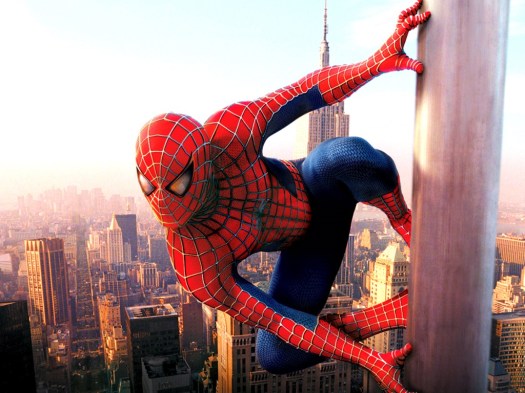
Rich Retrospectives- Spider-Man (2002)

spider-man-2002.jpg

After the difficult and long-delayed review of Bird Box (for which I’d like to vehemently apologize), the best thing I thought of as a way to recover from that messy review process was to review every major theatrical take on arguably the most popular Marvel superhero of all time, in preparation for a review of a certain related cinematic outing. Ladies and gentlemen, welcome to Spider-Month.

I’ve always had something of an attachment to the web-slinging, wisecracking Spider-Man, and seeing as how I’ve reviewed both Spider-Man: Homecoming and the recent PS4 video game on this blog, I thought it only natural to treat myself to a review of every other “Spider-Man” movie to come out prior to the latest one, Into the Spider-verse. Naturally, however, the aforementioned “Spider-Man” outings will not be discussed this month in the interest of avoiding repetition. That said, I’m happy to begin with the first installment of a trilogy of “Spider-Man” films by acclaimed director Sam Raimi. This first “Spider-Man” film, often considered a standard-setter for modern superhero films, is also criticized for cheesiness in equal measure. Still, while the first of Peter Parker’s many cinematic efforts is quite dated in some regards, I’d nonetheless confident in saying that Spider-Man is still important, entertaining, and heartwarming enough to be dubbed a modern classic of superhero cinema.

The story of Raimi’s first “Spider-Man” movie is lifted almost wholly from the comic story that started it all: Peter Parker (Tobey Macguire) is a hapless, nerdy, and unimposing teenager whose life outside of academics is low on luck and high in stress. He’s awkward around the girl of his dreams, Mary Jane Watson (Kirsten Dunst), and is a popular target of bullying, and the only consolations he has are his friendship with Harry Osborn (James Franco) and the loving support of his Aunt May and Uncle Ben Parker (Cliff Robertson and Rosemary Harris). His life takes a major turn for the exciting, however, when a mishap at a local science exhibition ends in him being bitten by a genetically modified spider, the exposure to which grants him superhuman strength, a precognitive “Spider-Sense”, and the ability to stick to walls and shoot organic webs. Feeling great about life, Peter uses his newfound strength to make a profit out of professional wrestling, only to be rewarded for his youthful carelessness when an armed robber he neglects shoots and kills his Uncle Ben shortly after. This experience ingrains in him an unmistakable lesson: “with great power comes great responsibility”. Using that as his creed, the formerly meek Parker takes up a new identity (and new costume) as the friendly neighborhood Spider-Man, and receives his first true test as a superhero when a longtime family friend (Willem Dafoe) emerges as a new villain that threatens the peace in New York.

If any strength of Spider-Man could be called its greatest, it would be its faithfulness and masterful translation of the earliest comic stories. The origin story of Peter Parker is well-trodden, and was even very familiar when the film first came out, but Sam Raimi and the rest of the film-making staff adapted the story with panache and enthusiasm, and the cinematography does well to translate iconic Spider-Man moments to the big screen in ways that really give the film its own identity. That’s not to say the effects utilized to this end are flawless (with the early-2000’s CGI rendering Spider-Man weightless and awkward in certain scenes), but when Raimi’s iconic camera work and art direction are on point, they are very on point, and nowhere is that more apparent than in those iconic swinging scenes. Spot-on tributes to the original comic are also peppered throughout the spot-on casting, and though I previously mocked Tobey Macguire’s occasionally overwrought acting, there’s no denying that he perfectly encapsulated the wallflower tendencies of Peter Parker and does a decent job with Spider-Man’s deadpan wisecracks in spite of some rough reads here and there. The rest of the cast also slips fairly flawlessly into their roles, and special mentions go to Kirsten Dunst as Mary Jane, Rosemary Harris as May Parker, and J.K. Simmons as the gruff Daily Bugle publisher, J. Jonah Jameson. Additionally, while Willem Dafoe does frequently ham it up as Norman Osborn/The Green Goblin, special note must be made of his ability to credibly portray Osborn’s split personality and inner conflicts.

On top of the combined zeal of the cast and crew of this film, Spider-Man’s creative direction is also inspired in many scenes. There’s always a memorable set piece waiting in the wings as the film progresses, from Peter Parker’s first taste of web-swinging and the iconic upside-down kiss scene. Even in the film’s most overwrought moments, it never ceases to be entertaining or becomes too stale. In other words, where Spider-Man lacks in subtlety, it more than compensates through sheer melodramatic style. “Melodramatic” is the operative word here, though, and there are times where superhero cheese does detract a bit from the narrative. Still, it’s that kind of flair that came to define the modern superhero movie, and that alone shouldn’t take away from the importance of Sam Raimi’s first Spider-Man movie. It’s vibrantly made, well-acted, and did much more good than harm for superhero movies to come. More on that in the next review.
Rich Reviews- Bird Box

image.jpg

WARNING: The subject of the following review contains references to suicide and the endangerment of child characters. Reader discretion is advised.

ADDITIONALLY: The review itself contains light, non-specific spoilers. Those wanting a quick, spoiler-safe review should only read the intro and concluding statement.

I’m aware that I’ve probably said this for many a subject of review, but Bird Box is possibly the most difficult movie I’ve ever had to talk about. Even seeing it when it first came out on Netflix in early December didn’t grant me sufficient time to properly develop my thoughts on the platform’s latest hit. Based on the post-apocalyptic novel of the same name by Josh Malerman, Bird Box (much like the book that inspired it) was released years after a string of such stories grew in frequency and popularity in literature and film, so as to stand out and not get “caught in the wave”. Smart as this decision was, it’d be reductive logic to say that’s all the movie had going for it. The reason for Bird Box’s popularity isn’t one I find difficult to explain: the premise it presents is  unique one in its genre, and its execution in the film is thrilling, suspenseful, and presents worthwhile themes concerning the human condition. Still, for all the intrigue involved in this movie, there’s just as many things that kept me from absolutely loving it, which is why it took me well over two weeks after seeing it to properly give my own unique take on it. I want to make it clear that the reviews and articles calling the movie’s success a “fluke” are being way too snooty towards its audience, but Bird Box is flawed, and there’s a lot to dissect about it. With that, I apologize for the delays of this little review.

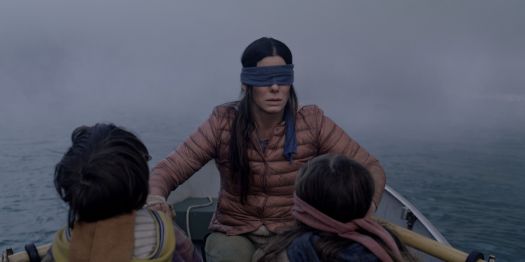
Bird Box starts in media res, following a cataclysmic event of which pregnant amateur painter Malorie Hayes (Sandra Bullock) is a major survivor. Though criticized in the past for shutting herself off from the world around her, Malorie’s withdrawn tendencies end up being challenged when an unseen, indescribable force starts driving people to gruesome, self-inflicted deaths upon seeing it. Though she escapes after a checkup and manages to find shelter with other survivors, she loses her sister in the chaos and finds that the neighborhood survivors are completely at odds with each other, being a diverse bunch under the roof of a vindictive and aggressive old man (John Malkovich) who himself is determined to keep the disaster (and any other survivors) out. To make matters worse, the world outdoors is impossible to navigate unless one is blindfolded to it, and survivors have naught but the frantic chirping of birds to detect the presence of the entity spreading the madness. Surrounded by death, betrayal, and an ever-increasing sense of detachment, Malorie must decide who to trust and how to trust in this blind, mad world.

In the interest of being balanced, I’m going to be talking about the good and bad of Bird Box in equal measure, since the two seem to cancel each other out at every other scene. First off, the first unambiguously good thing going for Bird Box is its cast and acting. The dialogue handed to much of the movie’s cast is quite a mixed bag (as I’ll soon be explaining) but every actor gives it their all and really sells their individual characters, no matter how cliched they can be at times. Sandra Bullock, for instance, was given a difficult character to make 100% palatable or sympathetic, but she slips rather naturally into Malorie’s character as a vulnerable, yet hard-nosed woman in the midst of panicked survivors. It’s a fairly seamless performance, and it was imperative that an actress like Bullock was cast in this kind of leading role. The movie also delivers well on its unique spin on the “disaster/apocalypse” genre, and save for the vaguest of hints towards the second half, the entity/force behind the mass suicides is never directly seen or depicted on screen. To that end, the cinematography and editing work wonders at setting up the kind of tension that already exists with having to be blind to the elements in the story, and what’s truly inspired in this respect is how the film plays with perspective. We never vividly see the world outdoors from outside the view of the main characters, and in spite of the difficulties that must have followed shooting those outdoor scenes, they never do lose steam or become too dull. All in all, it seems like everyone on production really cared about Bird Box in spite of operating with a few cliches, and there’s a lot done here that really makes it stand out.

Unfortunately, the thematic beats and the cliches that follow are still a problem, and the narrative’s execution and strengths can only do so much to compensate for Bird Box’s numerous flaws. For a start, while the movie does have a lot to say about human interaction and societal detachment, it sometimes goes too far in order to weave those themes into the narrative, and this usually manifests through the actions of the characters. Minor characters and even major ones get themselves into danger through embarrassingly avoidable ways at times, and they seem to occur against logic in service of those aforementioned themes. Also, though most of the cast manages to at least be engaging (thanks once again to the excellent acting across the board), the characters themselves tend to fall into well-worn and sometimes outright annoying cliches. Lil Rel Howery’s character in particular is shoehorned into being comic relief, and took away from a lot of the film’s earliest tension. The larger problem, however, lies in Bird Box’s narrative presentation. As stated earlier, the film begins in media res, during the aftermath of Malorie’s initial struggles, and I can’t understand why it was put together this way since such an intro renders much of the film leading up to that so predictable. I’m being quite vague on the contents of that intro for that reason, since knowing what happens in the present day will straight-up ruin the lead-in to that time frame. To borrow and revise a worn-out metaphor, it’s as if the production team on Bird Box took two steps forward, only to trip one step back on all the weaker narrative elements. I’d still say the movie as a whole is still enjoyable, tense, and interesting enough to warrant a watch (especially given the ease of access via Netflix), but Bird Box is just too bound by its own themes and framing to be quite as profound as its popularity would have you believe.

In short, Bird Box is good, but not great, and for maximum enjoyment, it’s best to go in as blind as its main cast.

Rich Reviews- Halloween (2018)

Since starting my Halloween-season retrospective series, I’ve made it a point to avoid the slasher genre of horror movies. My reason for this was admittedly obvious, but I knew instantly that I’d be covering the latest installment in the “Halloween” franchise on the 31st when it was released, since the series itself is an interesting case of fluctuating quality. Given that most of the sequels to the John Carpenter classic were rather superfluous, low-quality efforts, my expectations for this one were admittedly quite low, since it appeared to be coasting on franchise legacy and the presence of longtime cast member Jamie Lee Curtis to get a bigger audience. As much potential as this movie had to be a self-indulgent train-wreck, however, this movie did nearly everything right by trimming the fat of the series, showcasing a genuine love for the slasher genre it inhabits, and being a strong standalone example of that genre in its execution. In fact, it’s unambiguously the best installment of the “Halloween” series since the original film that started it all.

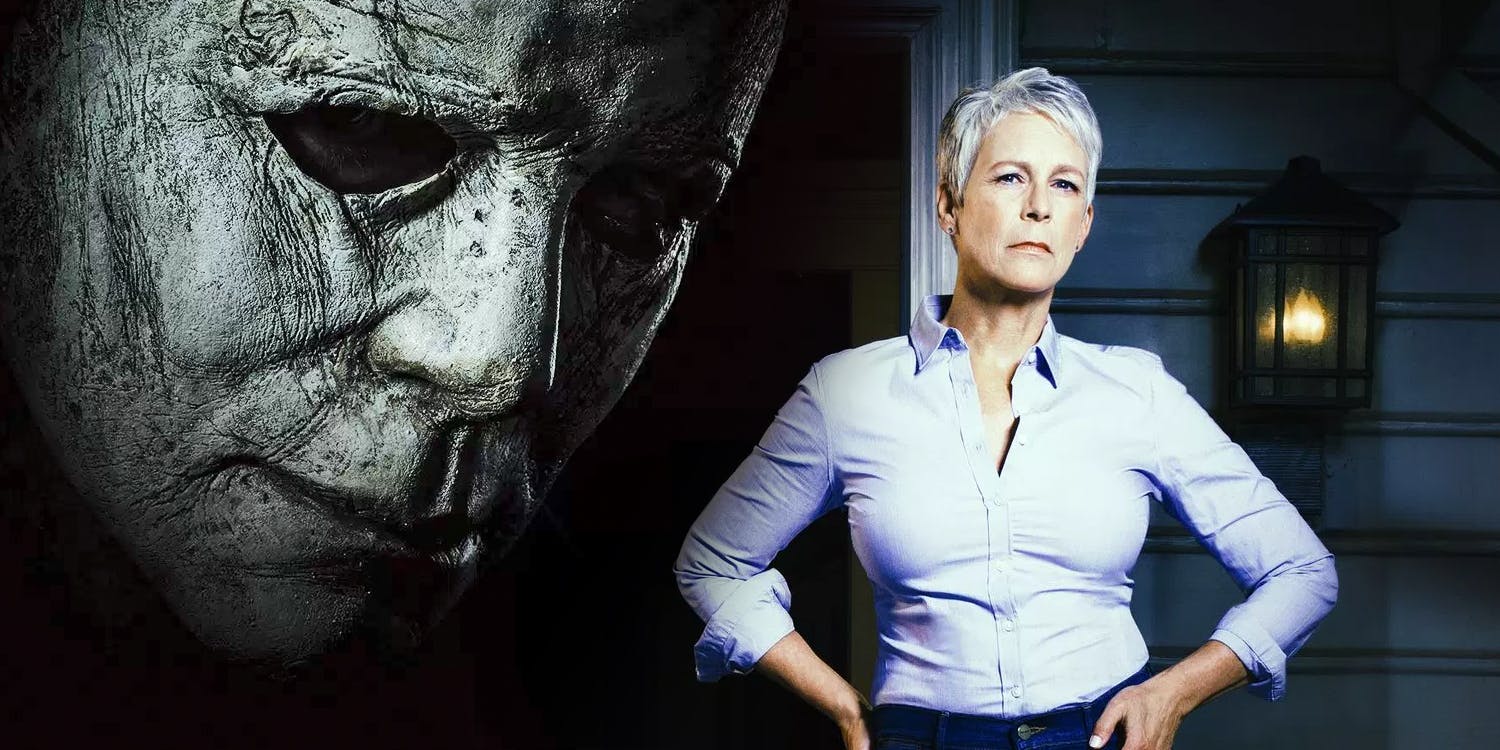
Ignoring every sequel that came before it, this film takes place forty years after the events of Michael Myers’ defeat at the end of the first movie, during which Myers escapes while being transferred to a new rehabilitation facility. Leading up to this, two true crime podcasters arrive at the house of survivor Laurie Strode (Jamie Lee Curtis), now isolated and traumatized by Myers’ initial attack and alienated from her daughter Karen (Judy Greer) and granddaughter Allyson (Andi Matichak) by spending the last four decades preparing and arming herself for Michael’s violent return. In spite of the terrifying excess of her preparation, however, Laurie may not be completely in the wrong, as Michael soon walks a murderous path to Haddonfield, Illinois, killing anyone who attempts to stop him and several others who don’t. Upon his bloody return, it becomes terrifyingly clear that Michael is after Laurie once again, and that, one way or another, Michael Myers cycle can only end with the meeting of long-separated siblings on yet another Halloween night.

The first of many wise decisions behind this movie is the approach of making a direct sequel to the original, rather than another installment in a larger series. This was a genius move given both the cluttered nature of the series up to this point and the ambiguous nature of the original film’s ending, which paints Laurie’s personal struggles with glorious shades of grey. Fans of this or other slasher franchises are right to sympathize with Laurie’s struggle and fears, but the fact that the intervening four years have alienated her from her family is far from unexamined, and not since Sarah Conner from the “Terminator” franchise have I seen such a compelling flaw be given to a returning protagonist. Granted, this depth could only have gone as far as the performance behind the character, but Jamie Lee Curtis certainly delivers as Laurie. Her attachment to the role and the franchise may have aided her new take on the character considerably, but it’s truly remarkable how simultaneously relatable and repellent Curtis makes her response to Michael’s first killing spree- she’s neither the unmistakable voice of reason, nor the crazy lunatic in this scenario. It’s also refreshing to see a relatively likable supporting cast in a slasher movie, and while some of the deaths are fairly predictable, the characters themselves manage to be either sympathetic or entertaining enough to warrant horror at their demises or peril. I especially like Allyson, who could have been annoying in her teenage sarcasm, but manages to be legitimately funny and likeable thanks to her chemistry with the rest of the cast. What truly makes the 2018 “Halloween” stand out, however, is the love and appreciation of the original demonstrated through cinematic language. There are quite a few moments homaging or outright channeling the original movie, but they’re sparingly used, and the self-awareness never becomes smug or overly comedic like in “Scream”. It also helps that the cinematography and sound design are fantastically on-point. While the iconic piano theme from Halloween is used quite a bit, the film truly shines in its use of silence whenever Michael is off-screen or present in some unknown way. This use of silence builds such palpable tension that I’m sure one could hear a pin drop in the middle of the theater. Mixing this with the camera work and great use of perspective during the more frightful scenes makes for a fun, yet still fairly creepy experience, and the only criticism I can think of for this movie is that its appeal is somewhat limited to the slasher movie audience. That’s still a minuscule point against it, though, since 2018’s “Halloween” is a well-acted, expertly paced, and beautifully filmed love letter to a classic, and I’m glad this was the film I capped the season off with.

In the meantime, Happy Halloween, viewers. Go out and enjoy this one, if you can.

Rich Retrospectives- Creepshow

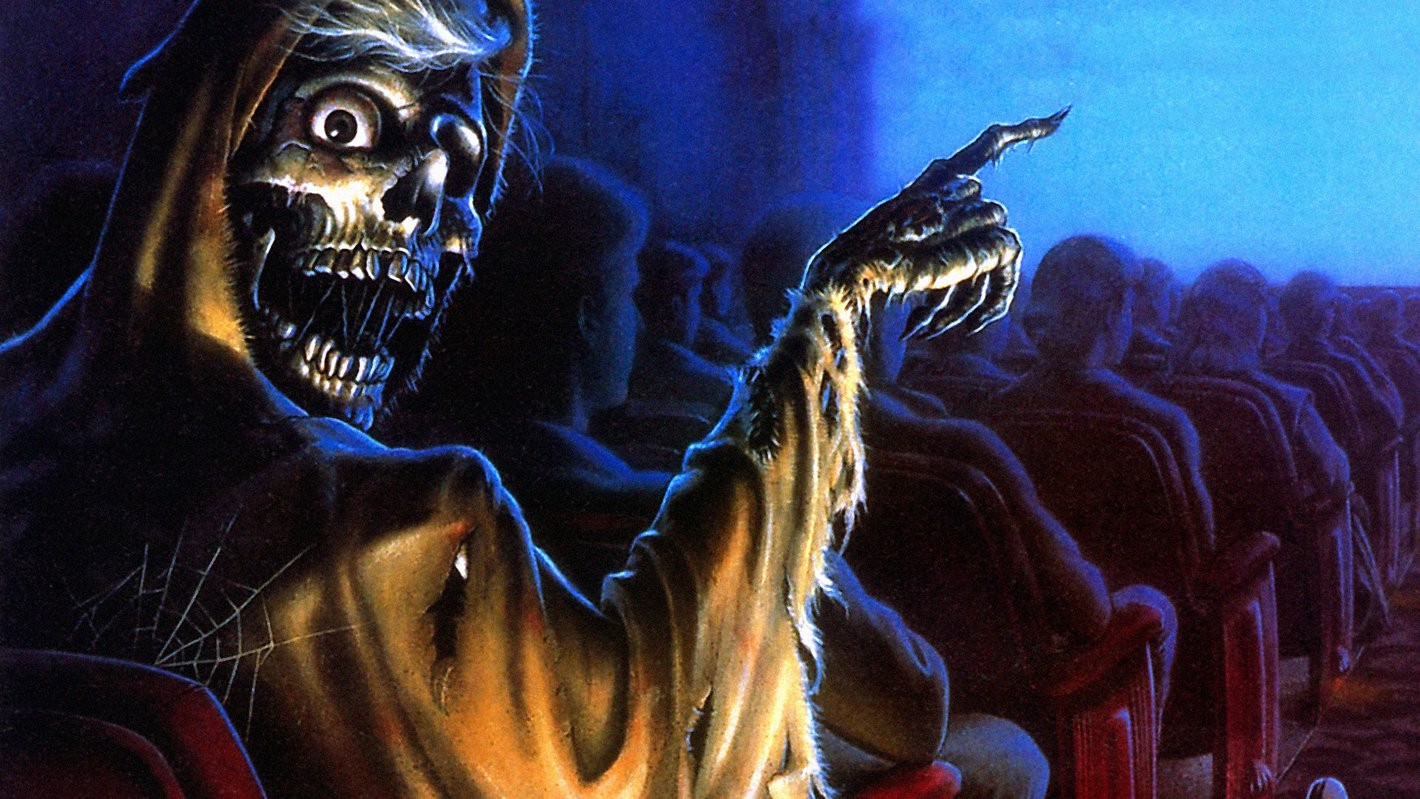
If there’s one subgenre of horror that seems to bring out the most energy in filmmakers, it’s definitely the concept of the “horror anthology”. Shows like “Tales from the Crypt” and “American Horror Story” may be of fluctuating quality depending on the individual episodes, but both shows (and others) often attracted some of the most renowned and acclaimed actors, directors, and other such creators, and the common consensus among all who contributed to those shows and films seems to be that it was just plain fun to be a part of. There were arguably two catalysts of the “horror anthology’s” resurgence- the 1974 “Tales from the Crypt” film, and today’s subject- Creepshow. Released in 1982, the film is an anthology consisting of five short-subject horror films, and was a collaboration between Night of the Living Dead director George Romero and acclaimed horror writer Stephen King (who wrote the screenplay for each story). Each segment was inspired by (and filmed in the style of) EC’s pulp horror comics of the 1950’s, such as “Tales from the Crypt” and “Vault of Horror”, as the creators grew up with those stories and wanted to lovingly recreate the experience of reading them. Creepshow’s cinematography even goes so far as to emulate comic panels and transitions, in addition to the remarkable lighting tricks and practical effects. The film’s tagline promoted it as “the most fun you’ll have being scared”, and thanks to its creative energy and fun, creepy segments, Creepshow certainly delivers. However, rather than give the typical plot synopsis before the review proper (since the overarching story of an abusive father throwing his son’s horror comic is more or less a framing device), I’m instead going to attempt concise reviews for each of the short films within the larger film, starting with…

Father’s Day
The well-off family of a cruel, miserly and abusive old man (implied to be a mobster while he was alive) gets together for an annual family dinner shortly following the death of the patriarch on Father’s Day. Late to arrive is Aunt Bedelia, his daughter, who mudered him on father’s day after decades of domineering abuse, and really only showed up to the party in order to curse her father’s name. The catharsis is short-lived, however, when the old man rises from the grave, killing her and other relatives in search of the Father’s Day cake he never received.
This is probably my least favorite of the stories, but it at least does well to establish a fairly consistent tone with it’s macabre sense of humor and equally macabre sense of justice against Bedelia’s awful family. My biggest criticism is that the segment is somewhat slow, and it takes a while for the zombified father to arrive, but the ending is gruesome and amusing enough that the first impression isn’t necessarily a bad one.

The Lonesome Death of Jordy Verrill
A meteor crashes in the middle of the farm of a dopey, hapless yokel named Jordy Verrill (Stephen King), who expects to be handsomely rewarded for the glowing space rock. His plans go horribly awry, however, when the meteor cracks open, secreting goo that ends up on Jordy’s hand and on his land, causing a moss-like fungus to start growing everywhere at a rapid pace. Soon, the strange vegetation covers both the farmland and Jordy himself, all while he attempts (with tragically funny results) to stop the growth and the unbearable itching the plant has wrought.
This is easily the most lighthearted and funny of the segments, though that’s not to say it isn’t creepy in its own right. In fact, its impressive how vast the effects team were able to make the alien weeds, and the set design for the overgrown farm is spectacular. What makes the comedy end work so well, though, is the surprisingly hilarious performance of Stephen King himself. It’s amusing to see the writer of his own story ham it up like he’s channeling the likes of Jerry Lewis, and while it is as over-the-top as you could expect, his sympathetic, yet hopeless portrayal of the dimwitted, klutzy farmer is both on-point and hysterical. The dark nature of this one’s ending detracts a tiny bit from the comedy, but “The Lonesome Death of Jordy Verrill” is where Creepshow really comes into its own.

Something to Tide You Over
Yet another wealthy psychopath is a major factor in this story, in which an old, unhinged rich man (Leslie Nielsen) discovers that his wife is cheating on him with a younger man (Ted Danson). He stages an elaborate revenge against the two lovers by threatening them at gunpoint and forcing them to bury themselves up to their necks on the beach by his house, all while he retreats to his condo to watch the tide come in to end them. Even after the deed is done, however, old maniac is far from safe, as justice soon takes a horrifying form, and it arrives right at his doorstep on the night of the staged drownings…
“Something to Tide You Over” is actually my personal favorite of the segments, next to another later segment, and about 70% of the reasons are all rooted in Leslie Neilsen’s performance. It’s really a shame that his later comedic work, however good, became his defining ethos, since Neilsen’s had a long and storied career that should make his effortless charisma and intimidation a surprise to no-one here. Even when his character, Richard Vickers, makes a quip at the expense of his victims, Neilsen delivers it with a frighteningly approachable tone that makes the actual actions of the character seem even more deranged. Keeping in the tradition of the comics inspiring it, this segment also has a macabre twist ending that manages to be scary, hilarious, and even ambiguous in its own way, and the end result will also appeal to viewers with a dark sense of justice. “Something to Tide You Over” is a short subject I’d actually call perfect in its execution, much like the following…

The Crate
A college janitor finds the titular crate under a staircase in the school, somehow shipped there from the Arctic. This crate, retrieved from an expedition, contains a monstrous fanged creature resembling a mandrill, which proceeds to kills whoever finds it. The surviving professors leave it to rest under the stairs, leading a henpecked husband of a professor (Hal Holbrook) to discover it and gleefully use it to “deal” with his drunken, abrasive wife.
Next to the previous segment, “The Crate” is probably the best of the bunch, and its for those reasons that I’m being comparatively vague in my synopsis. The cinematography and comic-style presentation of this short is at its best here in terms the whole movie, and its sense of buildup and dark comedy are ingenious. In particular, the filmmakers made a wise decision to keep the monster concealed for much of the story, and its onscreen appearances are as terrifying as they are well-timed. Also, speaking of the presentation, certain shots of the movie have colorful backdrops and lighting in order to homage the aforementioned horror comics it’s trying to emulate, and while each segment makes expert use of them, this one is the best example of that expertise. The cast is also suitably unlikable, making the twists that happen at their expenses all the more hilarious. If ever there were a reason to see Creepshow, this and the third segment are definitely it.

They’re Creeping Up on You
Misanthropic, mysophobic and ruthless entrepreneur Upson Pratt (E.G. Marshall) is soon to be rewarded for his cruel, selfish life in the worst way imaginable. His isolated penthouse room is hit by a citywide blackout, and upon the return of electricity, it is utterly infested with cockroaches. Neither the duct work, nor the fridge, nor the panic room are safe from the swarm, and it soon becomes clear that Pratt is helpless to control them.
This segment gets the shortest synopsis for being the shortest and most concise of the five, and while the segment is quite successful in setting up Pratt as a reprehensible miser deserving of poetic justice, the payoff to this end may be a deterrent for more squeamish viewers. It says something when the end of the segment managed to make George Romero and Stephen King wince, so if you’re not a fan of roaches (and really not a fan of gore), you’re better off skipping this one in spite of how well it does to shock.

All in all, Creepshow could hardly be accused of being high-brow horror, but the love its creators had for the comics that inspired the movie in downright infectious, and for a well-made, scary popcorn movie to watch around Halloween, you couldn’t have many better choices. This comes with an enthusiastic recommendation.


Rich Retrospectives- The Lost Boys

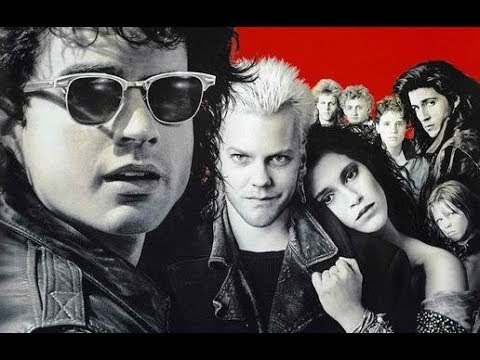
Welcome, readers, to part two of the Halloween retrospective feature. A few days ago, I covered a modern movie gem in the form of Get Out, a satirical, yet truly haunting horror-thriller that I saw worthy of the title of “modern classic”. Next on our list of horror themes is the vampire movie, and as with the other horror sub-genres, I’ll be covering my personal favorites in order to lead in to my upcoming October 31st review. Vampires are something of a difficult subject to handle in films, since the rules and lore of vampires have been so varied and well-trodden over the course of their film history that the qualifiers for a good vampire flick are unfortunately somewhat subjective. Vampires have been subjected to everything from  straight-up horror stories to romances and self-aware comedies. I have personal favorites from all three types (with Near Dark, From Dusk ’til Dawn, and both versions of Fright Night being very close to making my pick for vampire day), but Joel Schumacher’s The Lost Boys is what I’m looking at today, seeing as how it’s the one vampire movie I watch every October, and because I can’t bring myself to choose between both versions of Fright Night. Removing the superficial and personal attachments, though, The Lost Boys is still an obligatory Halloween watch for its loving and sometimes even terrifying send-up of vampire lore and tropes.

Michael and Sam Emerson (Jason Patric and Corey Haim) are struggling to adjust after moving with their mother Lucy (Dianne West) to their grandfather’s home in the beach town of Santa Carla, California, and their troubles are only just beginning with the move. The monotony of their new home leads younger brother Sam to a boardwalk comic book shop run by brothers Edgar and Allen Frog (Corey Feldman and Jamison Newlander), and it leads the older Michael to fall in with a biker gang led by the charismatic David (Kiefer Sutherland). The Frog brothers warn Sam that vampires are infesting Santa Carla, and while the boy is naturally skeptical at first, he starts heeding their words after Michael’s meeting with the bikers (involving a drink from a mysterious bottle) results in being averse to sunlight and receiving mysterious powers. Though unnerved at first, the brothers are relieved to discover that Michael is but a half-vampire, and that he can return to normal if they kill the leader of the vampires dwelling in the town. Unsure whether the leader is David or their mom’s new fiancée Max (Ed Herrmann), Sam and Michael enlist the help of the Frog brothers and a remorseful half-vampire named Star (Jami Gertz) to eliminate the vampiric threat before Michael and Star are transformed forever.

Looking back on this film, it’s something of a shame that Joel Schumacher’s reputation as a director has been largely defined by his work on the less-than-stellar Batman movies, since a large part of the success on the horror end of The Lost Boys is its cinematography. Most remarkable is his use of lighting tricks, particularly red light, in order to add a tense atmosphere to even the lighthearted scares, and the camera work during the early vampiric flight scenes and later action scenes is remarkably on-point. There’s almost a “neo noir” sense of tension to the story thanks to those directorial choices, since the search for the vampires’ leader and the fights with the lower vampires are both marked with the kind of tension usually expected of putting teen-aged/child characters in this kind of horror plot. That’s not to say the movie doesn’t know how to have fun, though: the script is oftentimes quite self-aware, and the reactions of the Emerson brothers to the supernatural chaos around them makes for great comedy along with the hammy, over-enthusiastic Frog Brothers. Corey Haim in particular was on-point in this movie, and is responsible for one of the greatest lines in any vampire movie: “My own brother, a g**damn vampire! You wait ’til mom hears about this, buddy!” (Writer’s note: Movie quotes edited for lessened profanity/public reading.) Also quite amusing are the Frog brothers, as it’s hilarious to see the seemingly out-of-touch horror comic geeks be the ones aware of and effective against the source of the film’s conflict. As with Evil Dead, the later action scenes are borderline slapstick scenes in spite of the aforementioned tension, and the performances of Corey Haim and the rest of the cast (Kiefer Sutherland and Corey Feldman in particular) are emblematic of a charming balance of self-awareness and enthusiasm for what kind of movie they’re in. Movies like The Lost Boys remind us that it’s quite possible for a lighter send-up of horror to be just as effective as a movie played completely straight, and the story of the kids’ struggle against the Santa Carla vampires culminates in one of the best twist endings in any horror movie of that decade, something I won’t dare spoil for the unfamiliar.

With knowing winks to the larger vampire canon, charming performances, and a great sense of tone in both horror and comedy, The Lost Boys is a must-see for any vampire fan, or those nostalgic for 80’s movies. One could say it’s an underrated classic to sink your teeth into.


Rich Retrospectives- Get Out

October is a rather fun time for movie reviews, at least for me. There’s a bit of a lull in horror movies this year (with one exception that I will get to in due time), so that gives me ample opportunities to talk about my favorite movies in the genre. Last year, I reviewed and gushed over Evil Dead 2, since I consider that my personal favorite, but looking back on that, I think reviewing one favorite was doing the versatility of the horror genre injustice. So, starting today, I’ll be doing a series of reviews building up to one on Halloween, each on my favorite movies about a genre or trope of horror movies. Some of these will be fairly old and well-remembered horror movies, but I’m using Get Out as my introductory review to make up for lost time. This was a recent movie, and I was an absolute fool for not reviewing it when it hit theaters, because it just might be the best of the films I’m about to review for the season, and I have NO reservations about calling it a modern classic.

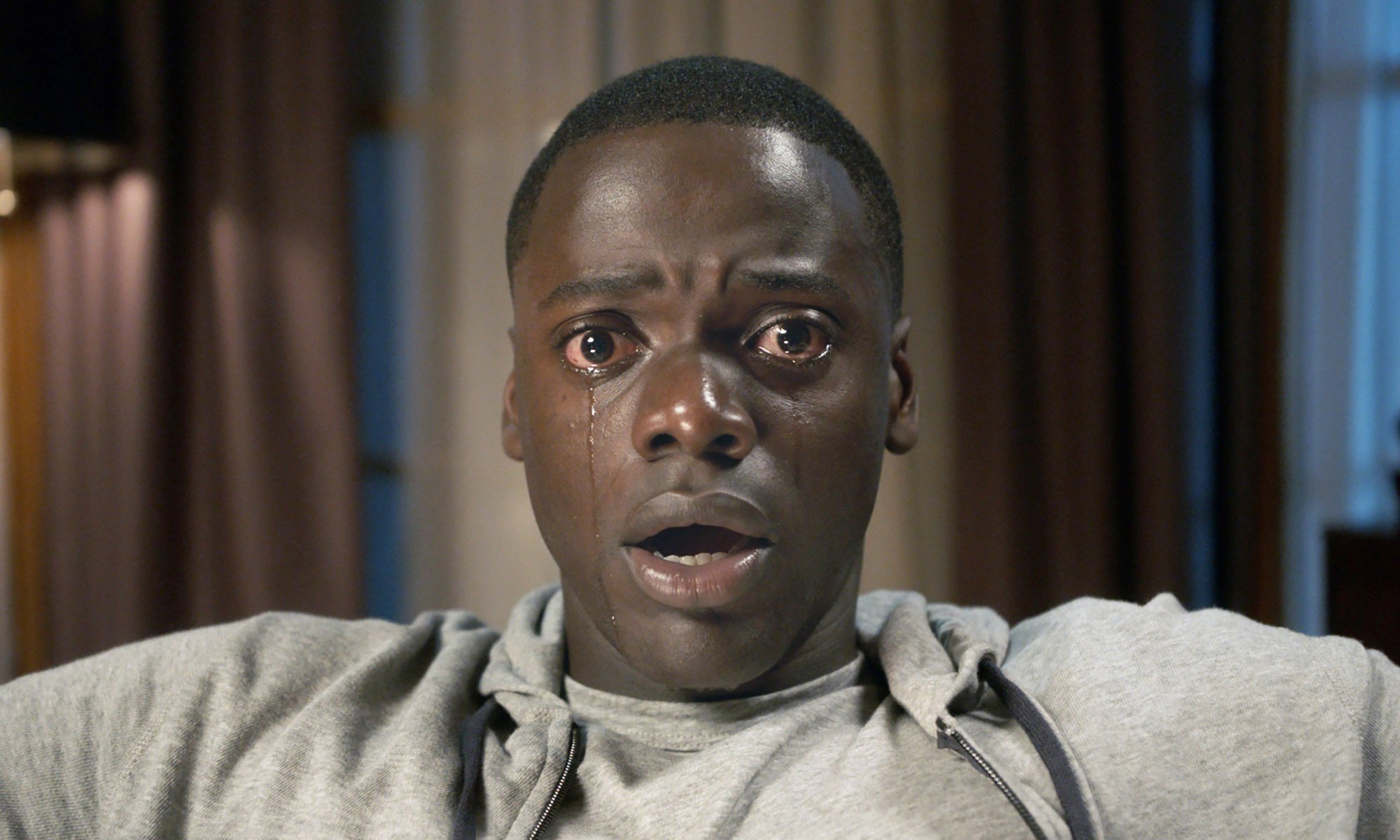
Chris Washington (Daniel Kaluuya) is nervous about the trip he’s taking with his girlfriend, Rose Armitage (Allison Williams), and he has every reason to be in spite of Rose’s reassurances. After all, he’s the first black boyfriend Rose ever had, and they’re visiting her well-off family in order to introduce Chris to her parents. Thankfully, introductions go well (possibly too well), and Rose’s parents seem to make good on her promise that Chris’s race doesn’t matter to them. Even then, though, Chris’s unease is far from extinguished, what with the strange behavior among the Armitage family’s housekeepers and the peculiar compliments Rose’s parents keep giving him about his physique. Even the festivities that await him and the Armitage family at their weekend get-together cannot sate his curiosity, and as Chris investigates the family’s intentions, he discovers that their plans were worse than he could have ever imagined, and that more sinister ends are waiting in the wings, not just for Chris, but for those aligned with the family as well.

The plot synopsis above is arguably the most difficult I’ve ever had to write, especially since I’m sure that there are people that this movie initially passed by, like me. For all the acclaim and fans this movie has accumulated since it’s release, though, I think the only way to truly enjoy it is to go in knowing as little as possible, so in the interest of that, I’ll be skating around the details in an attempt to recommend Get Out in every spoiler-free way that I can muster. To start, the film as a whole frames itself as a sort of social horror-thriller along the lines of The Stepford Wives or a good Twilight Zone episode, so it should come as know surprise that it’s paced as well as it is. Nothing about the Armitage family’s deeper motives is readily apparent, but the story is never tedious in how deliberately it moves, and it helps that Jordan Peele’s sharp, satirical script and keen direction adds an additional layer of all-encompassing unease and even some humor when most effectively needed. The acting is also remarkably on point, with Daniel Kaluuya being flawlessly endearing as Chris and Allison Williams being an unambiguously perfect casting choice as Rose in ways that contribute to Get Out’s “modern classic” status. What really makes that distinction so true, however, is the deeper social commentary going on and the expert cinematic execution behind the already-relevant themes. As expected of what amounts to a horror spin on “Guess who’s Coming to Dinner”, this movie is, as expected, about racial tension, but in a more indirect way than lesser filmmakers would put together. Jordan Peele is not lesser filmmaker, and so his take on the social horrors of racism is less about out-and-out bigots and more about the implied racism (or at least, the inherent insensitivity) of insisting that racism isn’t a problem. Don’t let the parents fool you: race is a factor of the horror in Get Out, but the ways in which it is part of the horror is so perfectly profound (as are the performances, cinematography, and mind-blowing twists) that I must insist that everyone see it. There’s only so much that the word of an amateur like me can do for this masterpiece.

Rich Reviews- Venom

A few weeks ago, when I took a look at the recent video game adaptation of Spider-Man, I mentioned how the interactivity and greater potential for player retention that video games offer make the medium of games ideal for loving adaptations of popular IP’s, especially superheroes. In spite of the veritable sea of licensed garbage, I stand by what I said about that potential, for while there are numerous good superhero movies, there are easily just as many bad ones, and the worst of them seem to suffer from contrasting symptoms: too many new characters and story elements, not enough time. Venom’s status a case in point should come as no surprise, given the rewrites, cut footage, and studio-induced production problems leading up to its release, but what’s most frustrating about the movie’s failing is how entertaining the people involved managed to be in spite of all of it. On the bright side, the end result did make for an ironically amusing viewing experience.

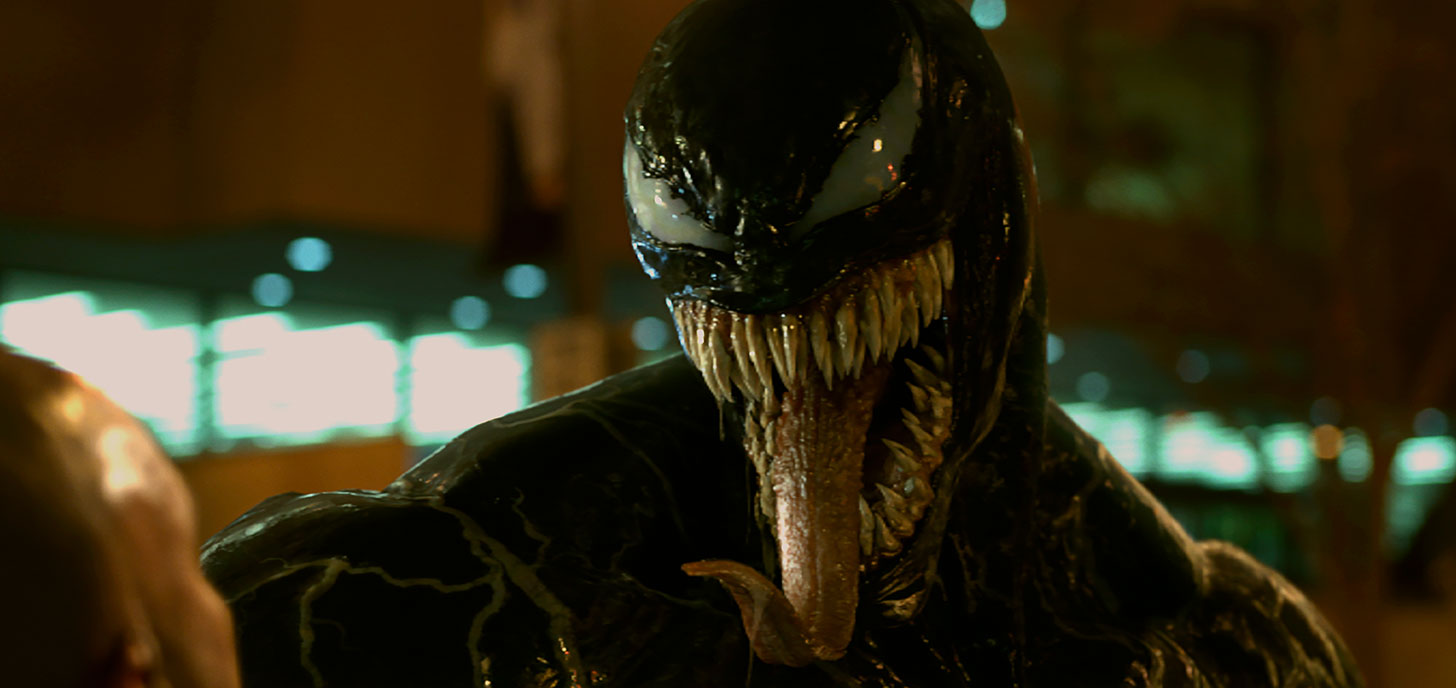
Set up as a tangential entry in the MCU sub-series of Spider-Man films, Venom tells the story of Eddie Brock (Tom Hardy), a down-on-his-luck investigative journalist whose life takes a nosedive after conducting an unauthorized interview with Life Foundation CEO and inventor Carlton Drake (Riz Ahmed). The transgression gets both Eddie and his lawyer girlfriend Anne Weying (Michelle Williams) fired, after which she promptly leaves him. To make matters worse, public opinion on the fallen journalist is at an all-time low as Drake is left to perform sinister human experiments involving mysterious alien symbiotes. One such symbiote breaks loose and fuses with Eddie after he agrees to aid a conscientious scientist (Jenny Slate) in undermining Drake’s twisted attempts at “evolving” humanity, and while the creature renders him weak with hunger, it also grants him superhuman strength, endurance, and shape-shifting powers. In time, the symbiote reveals itself to be alive, and that it has a connection to his mind and body that drives it to protect and aid Eddie in his endeavors. Can Eddie hope to cooperate with this sinister, self-serving alien and expose Drake’s crimes? Or is he doomed to die in the shame he was cast into?

The character of Eddie Brock/Venom occupies a rather unique space in Spider-Man’s rogues’ gallery, in that he has been both a villain to the web-slinger and an antihero in his own stories. What’s baffling about this film’s marketing, however, is that Sony promoted it as a depiction of Venom as the former when Venom’s whole villainous ethos revolves around his connection to Spider-Man, who is contractually absent from this particular movie. That’s not to say a more heroic Venom movie couldn’t work- in fact, Tom Hardy’s dual performance as Eddie Brock and the Venom symbiote is undoubtedly the film’s strongest aspect. Tom Hardy’s work in Mad Max: Fury Road already proved his mastery at playing broken, cynical characters, but what stands out about Eddie is his partnership and double-act chemistry with the symbiote, and it says something that the banter and partnership works as well as it does in spite of one half of the duo being a disembodied voice. When Hardy is given the spotlight, he delivers some legitimately funny and entertaining moments, and this could have made for a decent movie starring Marvel’s “lethal protector”. Unfortunately, while Venom is in top form (possibly more than he’s ever been in film), everything surrounding the character is a cluttered, inept, and unfocused mess.

Before you worry about the plot spoiled by my introductory premise, you’ll be happy to know that the entirety of Eddie’s fall from grace occurs within the first ten minutes of the film, and the plot continues with this impossibly erratic pace until slowing to a crawl in order to “build up” to his fusion with the symbiote. When Hardy isn’t around to entertain, we’re left with a romantic subplot that falls flat due to the rushed introduction and breakup of Eddie and Anne and a comically executed D-list villain in Carlton Drake. Riz Ahmed is wasted on the hacknyed writing, and it boggles the mind how an executive as obviously corrupt and hammy as Drake hasn’t been caught ten times over. The film wants so badly for Drake to be intimidating, but the result of everything surrounding him just ends up being unintentionally hysterical. Adding to the ironic humor is the film’s action scenes, all of which are erratically shot like the director was hyped on caffeine and thus impossible to follow. All of the film’s worst aspects all send the same message: studio mandates and a lack of focus killed the end result.

All in all, I’m not sure how to sum up Venom due to how much I laughed at the end of it all. If you came to see a good Tom Hardy performance and can turn off your brain to the clichéd, meandering plot, I actually recommend seeing Venom. Those who can’t laugh at a bad movie, though, will just end up tossing popcorn at the screen. Take it or leave it.

Rich Reviews- Spider-Man (Insomniac Games)

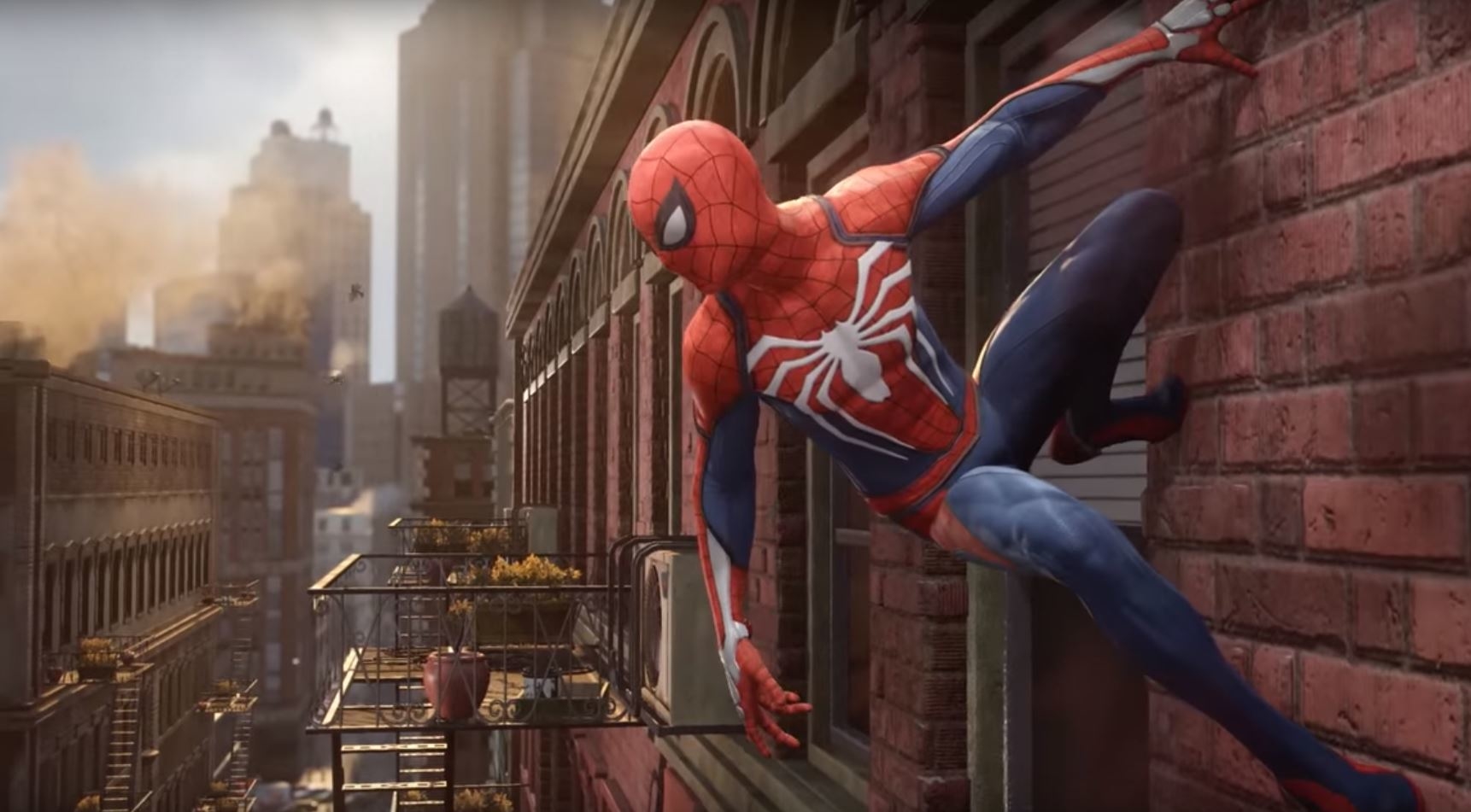
In my time reviewing movies over the last few years, I’ve covered the topic of adaptation numerous times, and numerous film examples have provided me with new insights on the process of adapting a successful franchise or intellectual property. For all the variety the medium of film offers, however, I can’t help but wonder if sticking strictly to film as the prime medium of adaptation is selling mass media short. Video games, after all, have been seen over the last few years as a form of artistic expression, entertainment and storytelling on par with film, and for every lazy use of licenses in video games, there are expansions or different interpretations of popular franchises that stand as legitimate adaptations of those franchises. “Aliens: Colonial Marines”, for example, would not be nearly as panned and detested as a hack licensed first person shooter game if legitimately good games like “Batman: Arkham Asylum” did not prove that popular characters and franchises could be more than just cash-grabs. Where one insulted players and fans alike, the other worked just as well as a game as it did a love letter to the franchise’s history, and it’s with that sort of contrast in mind that I’m happy to report Insomniac Games’s success in both regards with its take on the “Spider-Man” mythos. Every aspect of the game is oozing with love for the characters, setting, and legacy of the web-slinging wise-cracker, and more than just an endlessly fun open world superhero game, Insomniac’s “Spider-Man” is possibly the best take on the character and the themes surrounding him since “Spider-Man- Homecoming”.

Breaking the tradition of beginning the story with Peter Parker’s superhero origins, the game’s narrative is set years into his career as Spider-Man, to the point where Parker (Yuri Lowenthal) is now in college, six months into a breakup with longtime girlfriend Mary-Jane Watson (Laura Bailey), and working as a lab assistant for inventor extraordinaire, Otto Octavius (William Salyers). Things are looking up for the wall-crawler: Wilson Fisk (aka “The Kingpin”) is in custody, Octavius has crafted a new and improved Spider-suit for Peter, and Peter’s Aunt May (Nancy Linari) is doing well to aid the homeless in New York. For all the success going for Peter, though, old enemies are waiting in the wings, with numerous members of his rogues gallery escaping prison, along with new enemies that have come in the absence of Fisk’s criminal legion. Compounding all of this are Peter’s personal issues, from Mary Jane pursuing dangerous cases as an investigative journalist for the Daily Bugle and Octavius’s latest invention, his prosthetic, telescoping arms, beginning to have adverse effects on his mind. With the weight of a New York college student and the city itself on his shoulders, the man behind the mask must find a way to keep both lives in check before he’s swallowed whole by the increasing threats.

Before gushing about the narrative elements of this take of the tried-and-true story of Spider-Man, however, it’s important to first discuss gameplay and how that factors into immersion for Peter Parker’s New York. First of all, the greatest achievement of this game from a technical perspective is undoubtedly its handling of movement and exploration. Previous Spider-Man games have tackled the physics of web-swinging to various degrees of success, but this one may have presented the best example in the medium. Spidey does require adjacent buildings and the holding of a button to swing, but the tethering move ensures that this doesn’t break the pace of the game in the slightest, and it’s amazing what few limits there are to how fast and high you can get around this city in this game. It’s far from groundbreaking to say, but the game’s handling of movement does enough on its own to make you truly feel like Spider-Man. Speaking of the city, this game’s depiction of New York City is astounding for its attention to detail and balance of realism and comic-book panache. There’s no shortage of landmarks and nods to the greater Marvel universe to spot, and the inhabitants are integrated realistically enough (such as in their interactions with Spider-Man) to feel wholly immersive. What’s truly remarkable about the gameplay, however, is its execution of well-worn open world tropes. Mediocre or outright bad open-world games are less about putting the player in a unique environment without a variety of things to do and more about assaulting them with busywork and collectibles to trudge through at an agonizing pace. The good ones, though, are the ones that offer variety and spontaneity in spite of  the immediate availability of the main story content, and the briskness of both the exploration and the side-missions ensure that tedium is far less present here than in other games of the genre. Adding that to the speedy and challenging combat and the variety of upgrades and various Spidey-suits to unlock makes for an especially rewarding open world superhero experience. There’s a deeper beauty to the busywork of a sandbox game in terms of how it’s utilized in “Spider-Man”, however, and that’s in how the gameplay ties into the well-trodden themes of power and responsibility that the character embodies.

Peter Parker, in every iteration of his story, is meant to be symbolic of the struggles of everyday life beneath the freedom and fun of being a superhero, and thanks to their efforts in immersing players through its handling of playing as Spider-Man, Insomniac does doubly well in its attempts to connect them to the struggles of Spider-Man, his loved ones, and even his adversaries. Veteran voice actor Yuri Lowenthal is no stranger to playing youthful, wisecracking characters in games and animated series (see Ben 10 for proof positive of that), but what truly shines about his performance is his nailing of Peter’s vulnerability, something that either gets overplayed (as with Tobey Maguire) or completely missed (as with Andrew Garfield). As recent as the game is, Lowenthal’s portrayal stands head and shoulders with Tom Holland’s performance in the MCU as my personal favorite in the character’s history for doing just as well in that regard. This story is far from being just Peter’s, though: Mary Jane Watson is perhaps the most proactive and compelling she’s ever been, thanks to her wit, chemistry with Peter, and spot-on performance by yet another VA veteran, Laura Bailey, Nancy Linari is in perfect form portraying the doting Aunt May, and William Salyers, a voice actor typically cast in comedic roles, deserves special props for balancing Dr. Octavius’s paternal warmth towards Peter and ever-mounting egomania in a way that makes the doctor’s inevitable fall into villainy all the more heartbreaking. “Spider-Man’s” long-term, open world style of gameplay certainly isn’t for someone looking for a short game for fans, and the combat can be frustratingly imprecise and difficult at times, but as a fast-paced, fun experience and perhaps the most meaningful and exploratory portrayal of the Spider-Man themes and characters, you can’t do much better than Insomniac’s latest outing.

Rich Retrospectives- Top 10 Movie Dads

Happy Father’s Day, readers.

It should come as no surprise that there are countless depictions of fatherhood among movies of various ages and genres, and in tribute to some of the most memorable of those depictions, I’ve compiled the entries for Rich Reviews’s first “Top 10” list. Keep in mind that, as with future lists on this site, the entries are more subjective and will consist primarily of films I’ve seen as of the writing. As such, personal entries or recommendations I might have missed are welcome and open for comments and discussion. In addition, a spoiler warning is warranted for this list, since I’ll be discussing each of these dad’s actions in fair amounts of detail. Still, any sort of father (biological, adoptive or otherwise) is fair game here. All of that said, this one’s a list of the most dedicated, determined, or otherwise intriguing dads that I’ve thus far encountered on the big and small screens. Starting with…

10. Bryan Mills (Taken) 
article-2348048-15539345000005DC-106_634x427
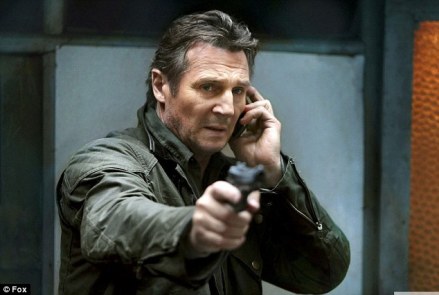
One could hardly accuse this movie of being the brightest or most original action movie out there, but fewer people could accuse Bryan Mills’s fight to save his daughter to be free of emotional investment and thrills. This retired CIA operative might be actively looking to avoid his old line of work, but that desire erodes completely when his daughter is kidnapped to be sold by sex traffickers. Mills’s determination and dedication to his daughter’s rescue is visible through every bone-crunching scuffle he’s forced into, and the result manages to be quite touching at times. He warned the kidnappers he’d find and kill them, and he meant it.

9. Mr. Incredible/Robert Parr (The Incredibles/The Incredibles 2) Mr._Incredible.png

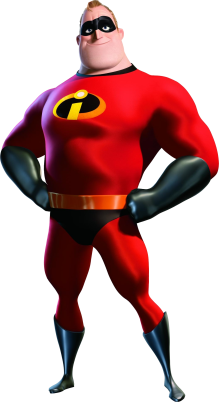
This superhero-turned-family man lands a bit lower on the list for letting his mid-life crisis get the better of his judgement during some of the film’s length, but still makes it for nonetheless demonstrating a genuine dedication to his family through all of those struggles. When he’s not guarding the city from harm with his inhuman strength and durability, he’s raising his kids with a mix of pride, sternness and humor that one could probably expect of a super-heroic dad. While he does go in over his head at times, Mr. Incredible cemented himself onto this list for being as approachable as he was as a father to Dash and Violet, and there’s proof enough of his commendable parenting in the unbridled rage he holds for the villainous Syndrome for threatening his family in the third act. Best of all the sequel seems to lean more heavily on the family dynamic, and I can’t wait to see how he keeps it up.

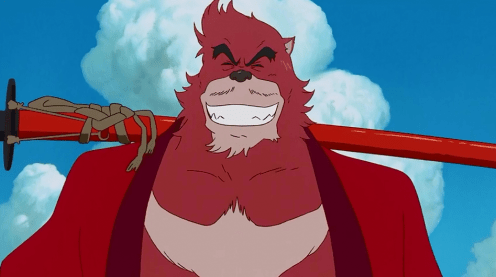
8. Kumatetsu (The Boy and the Beast)
abf137ef0327b0b5db695a382b6bd52c.png
Movies don’t always acknowledge it, but fathers are seldom perfect. Oftentimes, mistakes are made for the sake of children,  and the underrated anime film The Boy and the Beast shows that it’s especially tough in an adoptive family dynamic. In spite of his roughness with his adoptive son Kyuta/Ren, however, Kumatetsu still had enough compassion in his heart to care for the boy after the death of his mother and teach him the values of courage and determination in a hidden world populated by beast-people. At once a Rocky-esque coming-of-age story and a commentary on the nature of father-son dynamics, The Boy and the Beast is a thrilling and heartwarming story of an adoptive father’s eventual acceptance of a son he might have considered weak, and their dynamic is so wonderfully memorable that I’m glad this list allowed me to recommend seeing it for yourself. And speaking of imperfect fathers…

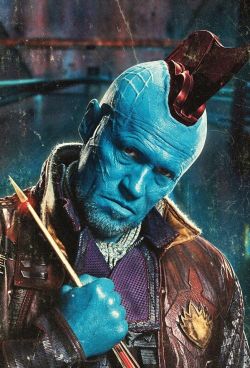
7. Yondu Udonta (Guardians of the Galaxy Vol. 1/2)
04ff5d8bdb98106ecf48885e4c73cc61--yondu-udonta-yondu-art.jpg

One might think it’s a stretch, but no. Yondu very much is an adoptive father to Peter Quill/Star-Lord, and a terribly flawed one at that. In fact, most of the appeal of the Guardians of the Galaxy movies is seeing the evolution of a makeshift family firsthand. Don’t let the science-fiction setting detract from the drama, because Yondu’s increased understanding of his relationship with Peter is very much reminiscent of more prickly parental dynamics in real-life. So, how does the borderline abusive space pirate make this list? By proving himself at the very end of the second film, in which he finally admits that he views the Guardians’ leader as his son and acts on that sentiment in the most meaningful way possible. Lineage be damned, Yondu really is Peter’s “daddy”.

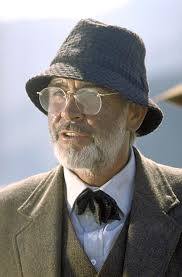
6. Henry Jones Sr. (Indiana Jones)
main-qimg-7244708d77012566e026bdc77636f600-c.jpg

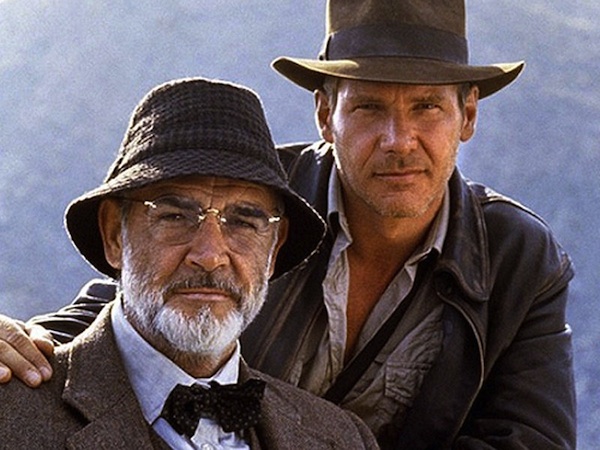
Redemption and overcoming parental flaws seems to be a pattern with this list, but the first Dr. Jones is a much more lighthearted example of this. In spite of a brief disappearance, the father of “Indiana” Jones would later reveal himself to be a resourceful partner and loving father to his son in his older age, and Sean Connery’s performance is a ceaselessly entertaining one to watch, especially with fictional father and son on screen together. If this were a list of the most entertaining dads, Papa Jones would probably land higher, but alas, there’s much more where he came from. Speaking of which…

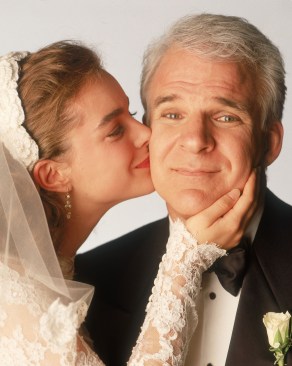
5. Every Steve Martin Dad (Father of the Bride, Parenthood, Planes, Trains and Automobiles, etc.)
father-of-the-bride-steve-martin.jpg

I’m aware that it borders on cheating, but I just couldn’t chose between all of them. Regardless of the film in question, Steve Martin is just perfect when it comes to his ability to portray fathers in movies. It’s difficult to nail down, but the key to Martin’s success is a welcome and accurate balance between exhaustion, tenderness, and occasional clumsiness that perfectly encapsulate the trials and joys of parenthood. Numerous as the examples are, none are better for illustrating my point than his performances in Father of the Bride, Parenthood, and Planes, Trains, and Automobiles, all of which are sure to make you laugh and cry in equal measure, thanks in no small part to Steve Martin’s mastery of parental nuance.

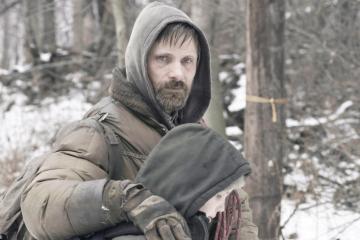
4. Man (The Road)
the_road35.jpg

Of all the movies mentioned on this list, The Road is undeniably the hardest to watch. Bleak and draining as this story of post-apocalyptic survival is, however, there’s no denying the true strength of the film adaptation of Cormac McCarthy’s classic: Viggo Mortenson’s turn as the nameless father. Uncompromising as he is in trying to keep himself and his son alive, the dedication to his son is so palpable that the most questionable of his decisions could be forgotten. Though the tone of the movie is consistent to a fault in this regard, it probably won’t stop audiences from drowning in their tears seeing how father and son’s travels play out until the end.

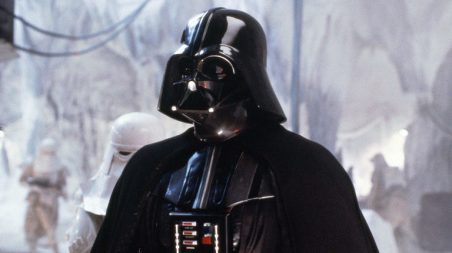
3. Darth Vader/Anakin Skywalker (Star Wars)
Darth-Vader_6bda9114.jpeg

The reveal of this Star Wars villain’s ultimate identity is a surprise to few at this point, but what struck me as truly fascinating in hindsight is how Anakin’s (pre-prequel) depth of character often goes unexamined. As relentless as the Empire’s most terrifying leader is with the conquest of Rebel systems, he makes every effort imaginable to spare and convert his son Luke in spite of his son’s determination to end the Dark Side of the Force. Given this, it’s only perfect that Return of the Jedi ended the way it did, with father and son fighting with all their mights to reason with one another. Despicable? Maybe. But never let it be said that Darth Vader didn’t prove himself as a father in the end.


2. Marlin (Finding Nemo/Finding Dory)
Marlin-FN.png

Oh, how I debated internally about Marlin taking the number one spot. After all, Finding Nemo is arguably one of the most famous animated films with a message directed at parents, rather than the typical audience for mainstream cartoon movies. That message in mind, Marlin’s development as a father and his eventual acknowledgement of his own trauma-born neuroses is a joy to behold as he meets more and more colorful and insightful characters in his search across the seas for his son. This spot-on replication of an overprotective father’s meditation on his mistakes and relationship with his son might have certainly made it to the top, had it not been for…

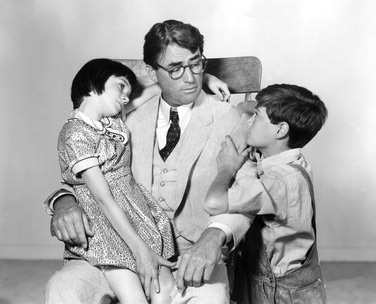
1. Atticus Finch (To Kill a Mockingbird) 

atticus-and-kids.jpg

Was there any doubt? Print and film alike have depicted the dedication and love that Atticus Finch has for his children in spite of the troubling climate of the era in which To Kill a Mockingbird was written. Say what you will about the actual conviction behind his defense of an unfairly accused black man, and the coldness that he demonstrates with the people that surround him. Both are true, and Mr. Finch is far from the nicest guy, but this list is about neither of those. Rather, it’s all about these characters’ strengths as fathers, and memorable as everyone else on this list is, you can’t get much better than the tender-hearted, protective man in the shell of an unfeeling lawyer. For imparting what lessons he does to Scout throughout the story, and for Gregory Peck’s spot-on performance, the number one spot goes to Atticus Finch.

Rich Retrospectives- Spirited Away

One of the most frustrating questions to ask any critic or enthusiast of narrative media like film is “What’s your favorite movie?”. This isn’t to say the question shouldn’t be asked to critics, but it does make for a rather protracted reflection on their part, since it’s impossible to name an encapsulating example of everything an individual loves about film. Still, in the interest of breaking the hiatus that I imposed on myself for way too long, I’d like to use my birthday as a platform to discuss a movie that has shaped my tastes for film as art and a narrative media since I was young: Hayao Miyazaki’s “Spirited Away”. At once a surrealist journey into the Japanese spirit world, a coming-of-age story, and a showcase for the underestimated power of hand-drawn animation, this film is something that has followed me to this day in spite of all the media I’ve consumed, and it’s unlikely to disappear from what place it has in my heart. I hope you’ll all forgive me, then, for the length at which I’ll need to gush about this one.

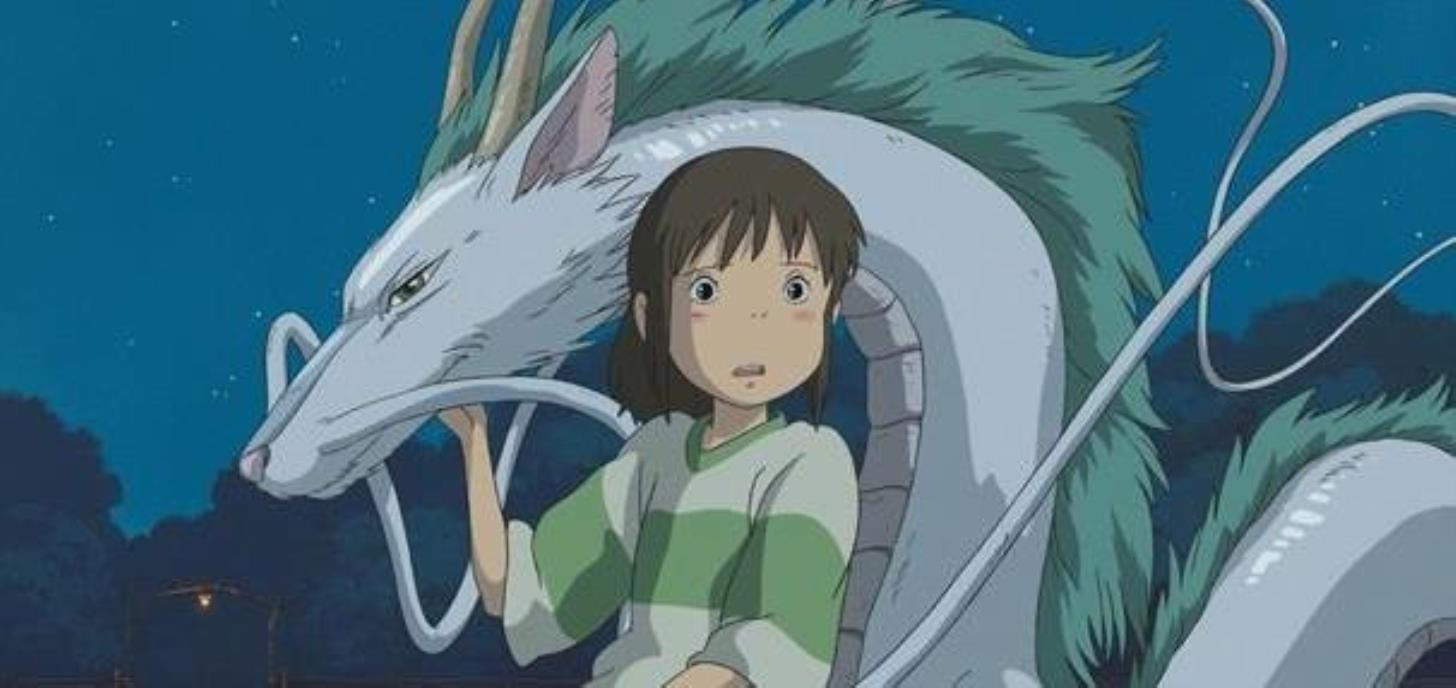
Ten-year-old Chihiro Ogino is on her way to move to a new home with her family, and far from happy about it. Reasonably bitter and sad about leaving home, she nonetheless punctuates the trip with petulant whining and apathy. The trip takes a bizarre detour, however, when Chihiro’s family comes across a supposedly abandoned amusement park, and while her parents gorge themselves on the food from one of the somehow-functioning restaurants, she is warned by a mysterious boy named Haku to leave the park before sundown. Chihiro heeds his warning without hesitation and rushes to the exit to leave with her parents, only to discover that the food has turned them both into pigs, and that the park thought to be defunct is actually a bathhouse and resort for spirits and deities of Japanese mythology. With no exit in sight and her transformed parents at the mercy of the bathhouse’s ethereal staff, Chihiro is left with no other choice but to secure a job at the resort and put her literal name on the line to reach her parents. To make matters worse, allies are scarce among the gods, as the resort is run by the name-stealing Yubaba, the miserly witch that runs the bathhouse and has even the most benevolent spirits under her thumb. With every possible odd against her in this strange new world, Chihiro, now called “Sen”, develops courage, perseverance, and maturity on the journey to save her family.

Explaining why this film in particular is the most important to me is ultimately a matter of personal investments and appreciations, but those are far from the only things that make me love “Spirited Away” as I do. For instance, the animation and visual storytelling are among the best of Miyazaki’s work, which truly means something given the director’ and his studio’s track record. Basing the world and characters off of yokai (Japanese ghosts) and other spirits of Japanese folklore lends itself wonderfully to hand-drawn animation, but what’s especially impressive about this film’s animation in art is how fluidly and borderline realistically the characters all move in spite of their varied designs. Every background is reminiscent of an expertly-composed painting, and every character as expressive in their movements as they are through dialogue. That level of visual expressiveness is in service of a story with a wonderfully-built world, which manages to be beautiful in spite of (or perhaps because of) its bizarre and unwelcoming atmosphere. The spirit world Miyazaki sets up in “Spirited Away” is a restful retreat to spirits, but a deathtrap for those who stumble into it, and the visuals do wonders in balancing both of these dimensions of the film’s setting. Topping all of this off is a masterful score crafted by veteran composer Joe Hisashi, which strikes a natural balance of whimsy and intensity from scene to scene.

Given the atmosphere set up in the bathhouse, it should come as no surprise that the story is mainly concerned with the cast’s struggles in adjusting to or working in the spirit world, and to this end, the characters are wonderfully written into that story. The film has a truly brilliant protagonist in Chihiro, who manages to be an endlessly sympathetic protagonist in spite starting out as a spoiled brat in many respects. Her growth as a character is made all the more compelling and endearing by the dangers of the world she’s forced to work in, and this world is populated by a diverse cast of side characters that do wonders in driving home the themes of the story. Like Chihiro, these characters (from the helpful, yet troubled Haku to grumpy, yet compassionate bathhouse workers like Lin and Kamaji) are not defined by being on either side of “good vs. evil”, but by their interactions with one another and by what good points they have amidst their unwavering self-interest. Even Yubaba, the clear antagonist of the story, manages to be entertaining and even sympathetic in some places, thanks to her interactions with the protagonist and some of the main cast. The beauty of this cast is equally apparent in either language, but the localization is especially commendable for how perfectly it captures the essence of the cast in spite of the obvious hard work that goes into translations. The cast was perfectly assembled, thanks to a choice combination of staple Disney voice actors and only a few noteworthy Hollywood actors, with Daveigh Chase’s feisty and vulnerable Chihiro being a readily apparent standout along with Jason Marsden’s nuanced Haku and Susanne Pleshette’s deliciously slimy and imposing take on Yubaba.

Obviously, the production and writing has given many a critic a reason to gush over “Spirited Away”, but upon reflection, I’ve found this film is as resonant with me as it is due to when I first saw it, and due to how well it’s held up since then. I first saw this film in the 6th grade, just a few years before high school), and I distinctly remember the story and message being different than most movies I watched at that age. For one thing, the characters were more neutral in their moralities, and there was no clear hero besides Chihiro, who herself had more than a few flaws starting out. In addition, I found myself endeared to the distinguishing elements (both visually and story-wise), and to the protagonist’s instinctual ability to survive and assist others in spite of the obvious risks. In those respects, “Spirited Away” taps into two ageless themes: the perpetual presence of adversity in life, and the natural human want to do as much good as possible in the face of that adversity. While tenacity, compassion, and openness manage to persist in this film’s story, selfishness and greed are not defeated, but rather pushed aside. Those narrative aspects are what compose the movie’s ultimate message: the value of endurance and compassion. Though I’ve been somewhat vague in the interest of averting spoilers, it’s only because seeing this movie succeed in these ways is something that changes viewers, and because everyone deserves to see that for themselves.

All of that said, I’m glad to finally be back, and (hopefully) to share one of my favorite film memories with all of you. I can’t thank you all enough for reading, and for allowing me that luxury.