
Before we begin, special thanks to Kiki Akpunonu for her help with writing/editing this review.
Fantasy is something of a double-edged sword when it comes to genre in film, at least when it comes to critic and audience reception. Still, what strikes me as particularly fascinating is the popular critical perspective on the genre from mainstream critics throughout the years. Fantasy films like the more modern Highlander and the high fantasy Willow, for instance, had initially more mixed receptions before being declared cult classics, and the era in which those films came out was one of relative dismissal in the film industry. While it might be easy to dismiss the connections that fantasy genre tropes have to significant literary and societal themes, it’s important to remember that some of genre’s most influential works in film and literature were rooted in allusions and allegories for the eras in which they were written. There’s a reason that fantasy literature is as popular as it is in educational curriculum, and Internet film critic Lindsay Ellis (in her own review of Max Landis and David Ayer’s Netflix film Bright) gave an impeccable overview of how inevitable allegories and cultural coding are in fantasy, especially since Tolkien’s influential works set a precedent for allegory in the genre, and her overview of the history of social commentary sheds considerable light on the films numerous failings as a social commentary. While it’s true that Bright fails completely in its aspirations for insightful observations of race, that failing is far from the only problem this movie is burdened with, and those problems managed to drown a potential classic in a sea of mediocrity and ineptitude.
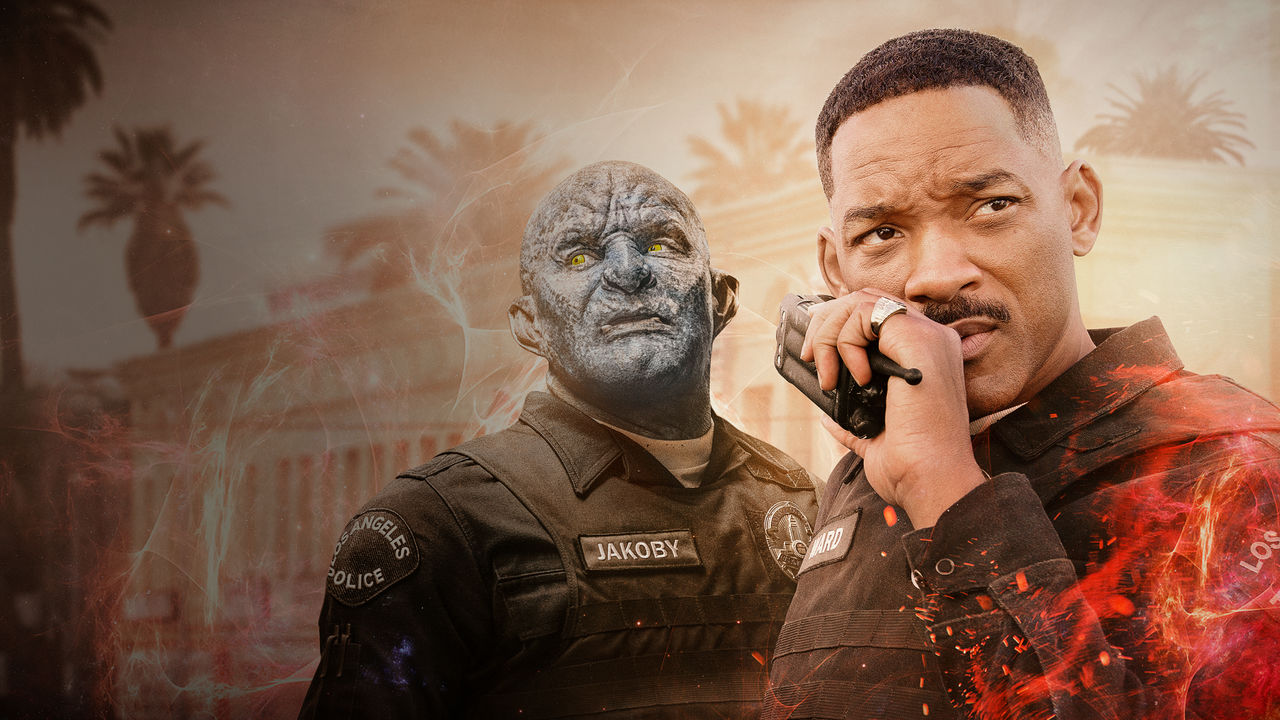
Daryl Ward (Will Smith) is one of the most notoriously hard-boiled human cops on the force in an alternate history, modern day Los Angeles populated with orcs, elves and numerous other magical races. This city, saved along with the world from a Dark Lord ages ago, is plagued by crime and racial tension as orcs continue to be marginalized by the humans and elves in positions of power. At the center of this tension lies Ward along with his orc partner, Nick Jakoby (Joel Edgerton), who are called upon to take down a society of magic users and devotees to the Dark Lord, dubbed “Shield of Light”, who seek the power of the magic wand held by one of their defectors, Tikka (Lucy Fry) and resurrect the fallen tyrant. To make matters worse, Ward must choose between his job on the force and his loyalty to his partner when Internal Affairs calls for Jakoby to be fired and proven guilty of letting an orcish suspect go out of loyalty. A chase and a mystery ensue as questions of loyalty, racial profiling, and oppression of the lower class are brought into their latest and most deadly assignment on their watch.
On the nose as the thematic goals of this film are, the overall premise is far from unsalvageable, and the production elements seem poised to create an interesting urban fantasy: the makeup and special effects are well-done and original enough to set the film’s setting apart, the art direction manages to be distinct in spite of the soon-to-be-mentioned cinematography problems, and the acting is the unmistakable highlight of the film. Will Smith and Joel Edgerton, for example, slip into their respective roles quite well, and are believable enough as partners to make their history interesting. Such surface elements, however, are as far as the movie seems to be bothered to go, and nearly every other element of the film is so half-hearted in execution that the film’s aspirations of being a socially conscious urban fantasy are rendered totally meaningless. As good as the actors are, for instance, they’ve got little to work with thanks to the awful script, with unsubtle and frankly demeaning parallel references to modern civil rights movements peppered throughout the cliched police drama plot to give the story the gravity it lacks. Count my earlier synopsis of the conflict as a blessing, too, because the film’s insufferable pace makes it so the central conflict takes over half of the runtime to truly kick off. Such could be helped if the characters themselves were interesting or likable, but barring Jakoby, the cast consists of one-note tools for the advancement of the plot. Will Smith’s roughness and misanthropy is a welcome demonstration of his understated versatility, but Ward’s characterization and imprisonment under the film’s predictable narrative make him a flat and boring anti-hero. Tikka, meanwhile, is there as a reminder of the central conflict and essentially nothing else. The action scenes, usually the compensating factor of such a drag of a story, range from frantic and clumsily edited to boring and stagnant, with some of the later shootouts being inexplicably stagnant and still for no justifiable reason. With all these flaws against the movie, the only distinct aspects seem to be theme and setting, and its use of fantasy races as a means of commenting on racial coding in fantasy and social injustice in the real world seems to be a profound fusion of genres…
Until a few minutes of thinking, in which one is likely to realize how sophomoric and out of its depth it really is. The aforementioned alternate history timeline is a sadly low-effort affair, since the setting is nothing more than present-day Los Angeles with a paper-thin fantasy skin. Racism between human characters of numerous ethnicities exist where there should have been just new tensions, and the pop cultural and historical references (most of which are squarely within real-life topics and events) leave the impression that the writers simply didn’t think of the meaning behind this world’s history or the world building as a whole. The attempts at speaking to real-life injustices and bigotry ring hollow as a result, since the slavish devotion to “realistic” cop drama tropes boils the issues of bigotry down to straw characters and individual hangups, rather than the system of institutionalized racism that the movie’s story forgot to establish. Worse yet, numerous, lazily implemented cliches of movie racism take the place of meaningful and impactful commentary, and the sheer volume of racism among the characters is baffling considering what little is established about the society itself. Past the origin story of the Dark Lord and how the races defeated them together, Bright is essentially just a police drama about racism, but the shoehorned fantasy elements contradict this plotline so much that the entire affair is rendered meaningless. These elements, given more finesse and dedicated, could very well have been compelling and insightful, but in the state that it was screened, they were drained of their flavor and weight.
Despite having the bones of a fresh crime story with a fantastical, allegorical twist, Bright‘s visible lack of meat left it a boring, unpleasant, and pretentious mess. The actors, cinematographers, and story of this movie all deserved much, much better.
 Rich Reviews