
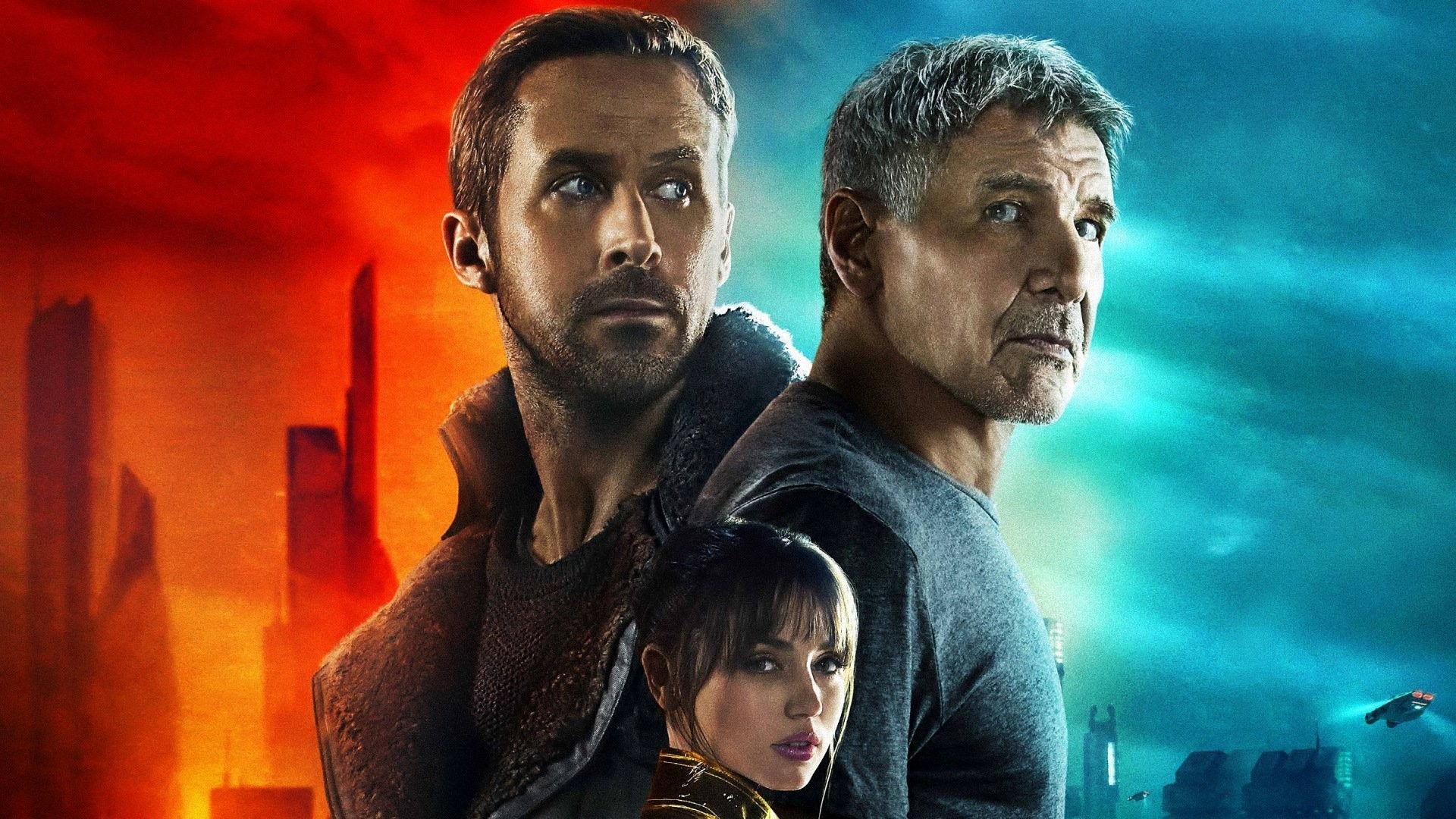
Try as we might to nail down what makes great art, filmed or otherwise, it’s an overlooked truth that audiences typically don’t know what they want until they have it. Critics and audiences alike learned this in 1982, when Ridley Scott’s cyberpunk classic “Blade Runner” was released, for while the film was eventually lauded for its explorations of humanity and extraordinary vision of a dystopian future, it was initially dismissed by the public at large and laughed off by the producers that tried to mold it into a patronizing mess. Sadly, it seems history is repeating itself, since the box office returns for its unexpected follow-up are humble in comparison to other major releases. Worse yet, I’d be lying if I said I had the brightest of expectations for a sequel to a film that functioned perfectly well on its own, let alone one more than three decades after the fact. After all, what would modern film techniques and an expansion of the rich world building of an already timeless deconstruction of what it means to be human?
Not much, I thought, before the film managed to render me unable to speak out of shock and amazement. How unqualified I feel for this one…
Set thirty years after the events of the first film, “Blade Runner 2049” tells the story of the return of replicants as the work force of the future. Newer models are built simply to obey, while older, more self aware replicants are hunted as they were thirty years ago. One of the latest and skilled in the new generation of “Blade Runners” is K (Ryan Gosling), a replicant whose entire existence is his work. His dedication to his purpose is put to the test, however, when signs of a replicant childbirth are uncovered. In hopes of preventing human-replicant conflicts from coming about again, K sets out to find the child and erase proof of it before it reaches the wrong individuals. In his search for the true answers to the natures of replicants and humanity, K faces numerous obstacles, including interference from his superiors, the shady dealings of a replicant manufacturing industry, and the apparent disappearance of ex-blade runner Rick Deckard (Harrison Ford).
Naturally, the complex questions on humanity and what the future of technology means for its definition had to continue in a sequel to a film as thematically driven as the original Blade Runner, but simply acknowledging the presence of those questions in “2049” doesn’t even come close to doing enough justice to how wonderfully crafted the film surrounding them is. In fact, this new “Blade Runner” is so successful in what it sets out to do that I struggled to find anything wrong with it. Every element, both great and small, serves the setting, story, and themes in a way that renders it something I’d call perfect. The effects and visual design, for instance, are spot-on. In spite of the obvious technical updates, this still is the new Los Angeles from the Blade Runner universe, and both its considerable scale and simultaneous sense of technological wonder and underlying moodiness are encapsulated in every shot. Speaking of those shots, the cinematography feels like it was pulled straight from Ridley Scott’s original masterpiece, and especially noteworthy is the film’s mastery of sustained character shots. Audiences may have mixed feelings about the deliberate pace of the film and its editing, but with a tone and thematic mood like “2049’s”, there’s no better approach than to let every little detail and emotion sink in.
Of course, those emotions can only go as far as the performances, but “2049’s” second-best aspect just so happens to be its cast and their collective performances. Fans of the original will inevitably expect to be treated to a hardened, yet vulnerable and gripping performance from Harrison Ford (and be right in those assumptions), but something that must be affirmed here and now is Ryan Gosling’s award-worthy turn as K. Gosling’s strength has always been nuance, and here is no exception. He delivers exactly what reactions one would expect of a professional detective on the edge, but with a level of sensitivity and uncertainty that’s neither understated nor overt, and this sort of character demands that kind of moderation. That sort of perfection rings true for the entire cast, however, as even smaller roles like those of Dave Bautista and Jared Leto command a viewer’s presence and leave a lasting impact. Unsurprisingly, though, this “Blade Runner’s” greatest strength continues to be theme and tone. What stands out this time, however, is how this sequel expands on the existential questions of its predecessor that manages to be simultaneously refreshing and expected in a way that’s so unique that the only due praise I can give it is to demand that everyone see it. In fact, that sort of aggressive recommendation is the only way I can see this review ending, since its position as a sequel to a decades-old sci-fi classic made it’s mastery of cinematic artistry and thematic expression more remarkable than words can convey.
Yes. “Blade Runner 2049” is that good.
 Rich Reviews